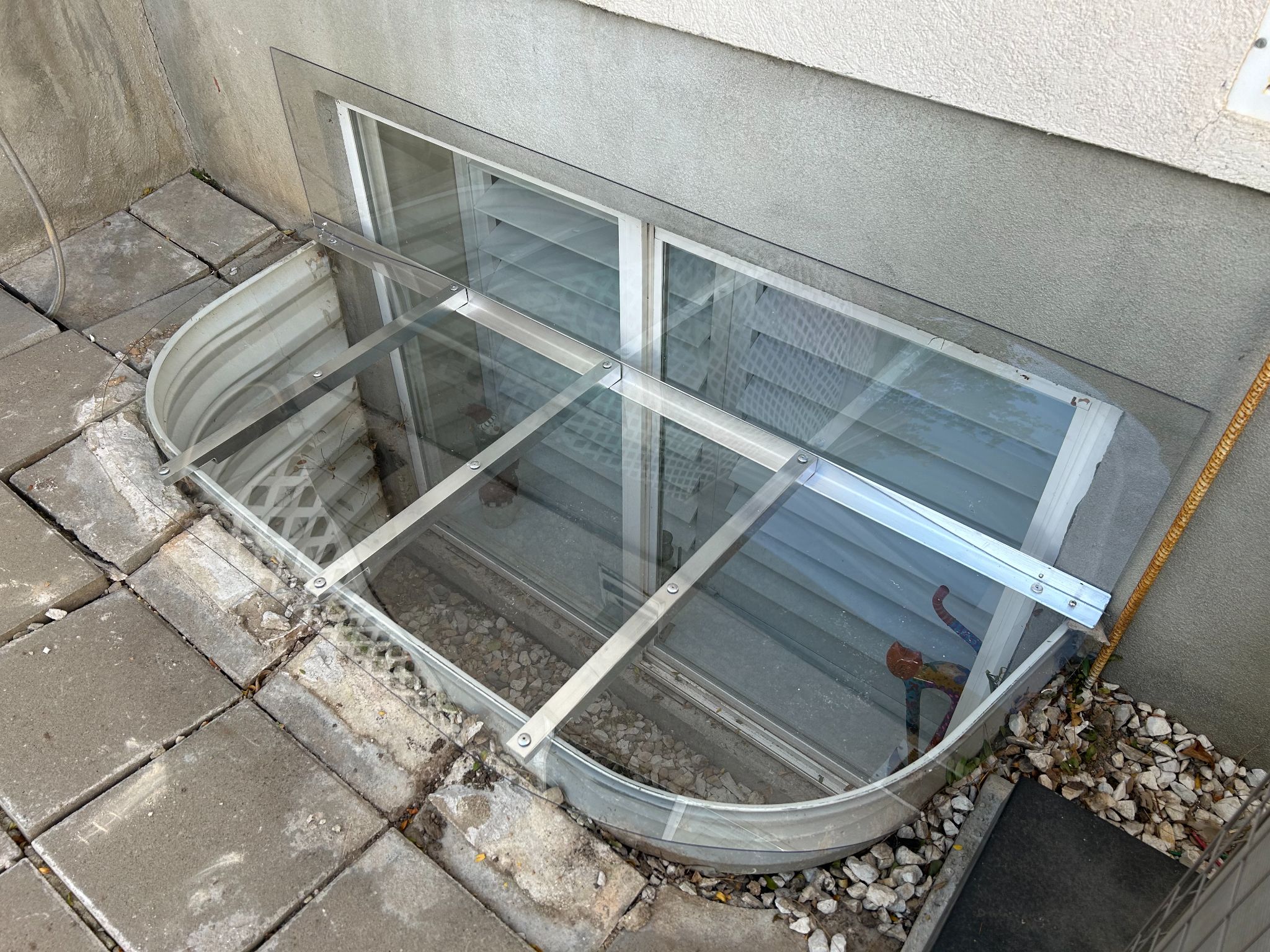
The right window well cover fits the well, works with the way the basement window opens, and supports safety, drainage, light, and maintenance. Compare custom window well covers, clear window well covers, and window well grates based on the well’s condition, egress needs, foot traffic, and exposure to Utah weather.
Choose a cover that works with the whole window well
A cover may look like a simple addition, but the wrong choice can leave gaps, interfere with the window, collect snow, or make the well harder to inspect. Clear window well covers need a secure fit that keeps the window usable, preserves natural light, and makes the well easier to access and maintain. A careful review before you buy helps you choose a cover that fits securely and works with your basement.
Start with what you need the cover to do
Begin with the problem you want to solve. Some homeowners want to keep out leaves, snow, and animals. Others need stronger protection near a walkway, patio, or play area. Finished basements may benefit from more natural light and a cleaner view.
Clear window well covers work well when reducing debris and daylight comes first. Window well grates may be suitable for areas where airflow and fall protection take priority. Custom window well covers help when the opening has an unusual shape, the window swings outward, or a stock product leaves large gaps.
How to choose the right window well cover
Inspect the well before covering it
Inspect the condition of the well before adding a cover. Standing water may indicate a drainage problem, while visible damage or movement can indicate that the well needs repair.
A cover can help reduce rain, snow, and debris from entering above, but it can’t correct water that already flows toward the foundation or collects inside the well. Address those problems first so the new cover has a stable base and can work as intended.
Measure the well and the surrounding area
Measure the width where the well meets the foundation, the projection from the wall to the outer edge, the height above grade, and the shape. Small differences can create gaps or cause a cover to rock.
Custom window well covers often work best for oversized, uneven, or unusually shaped wells.
Check how the basement window opens
Open the window fully before choosing a cover. A product may fit the well but still block the sash, handle, or escape path.
Casement windows often need more height because they swing outward. Support bars and mounting clips must also stay out of the usable opening. For egress windows, make sure someone can open the window, enter the well, reach the ladder, and release the cover from inside.
Compare clear covers and grates
Clear covers
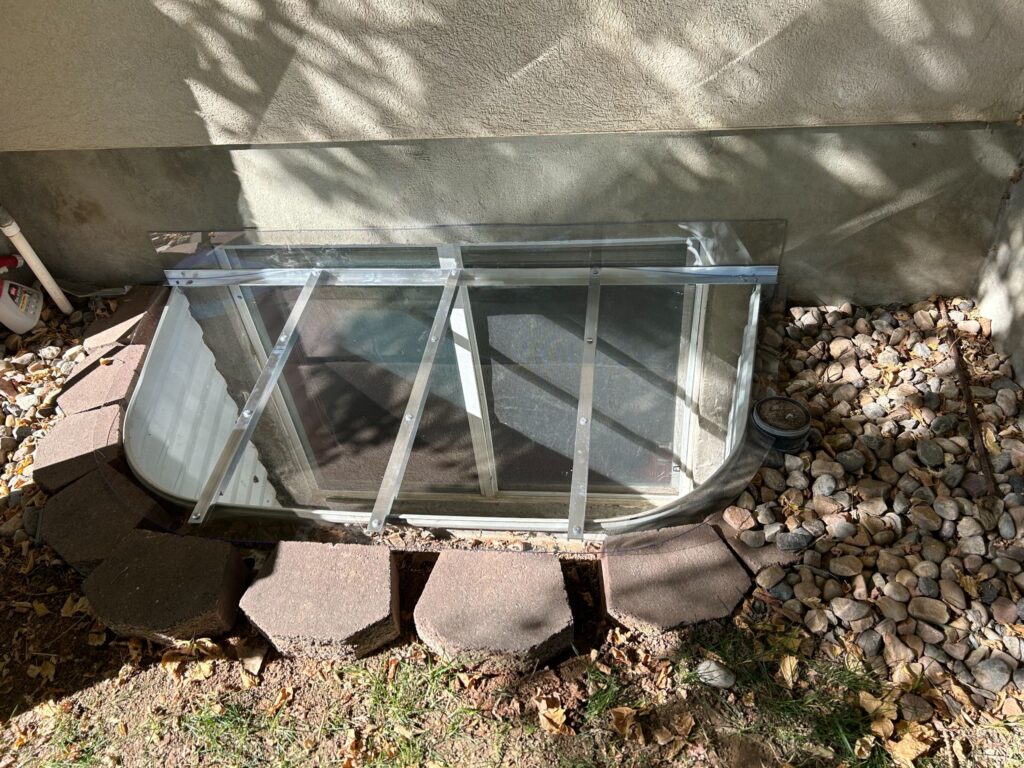
Clear window well covers help block leaves, snow, dirt, runoff, and small animals while allowing daylight into the basement. They reduce cleanup and keep the well easier to inspect.
Grates
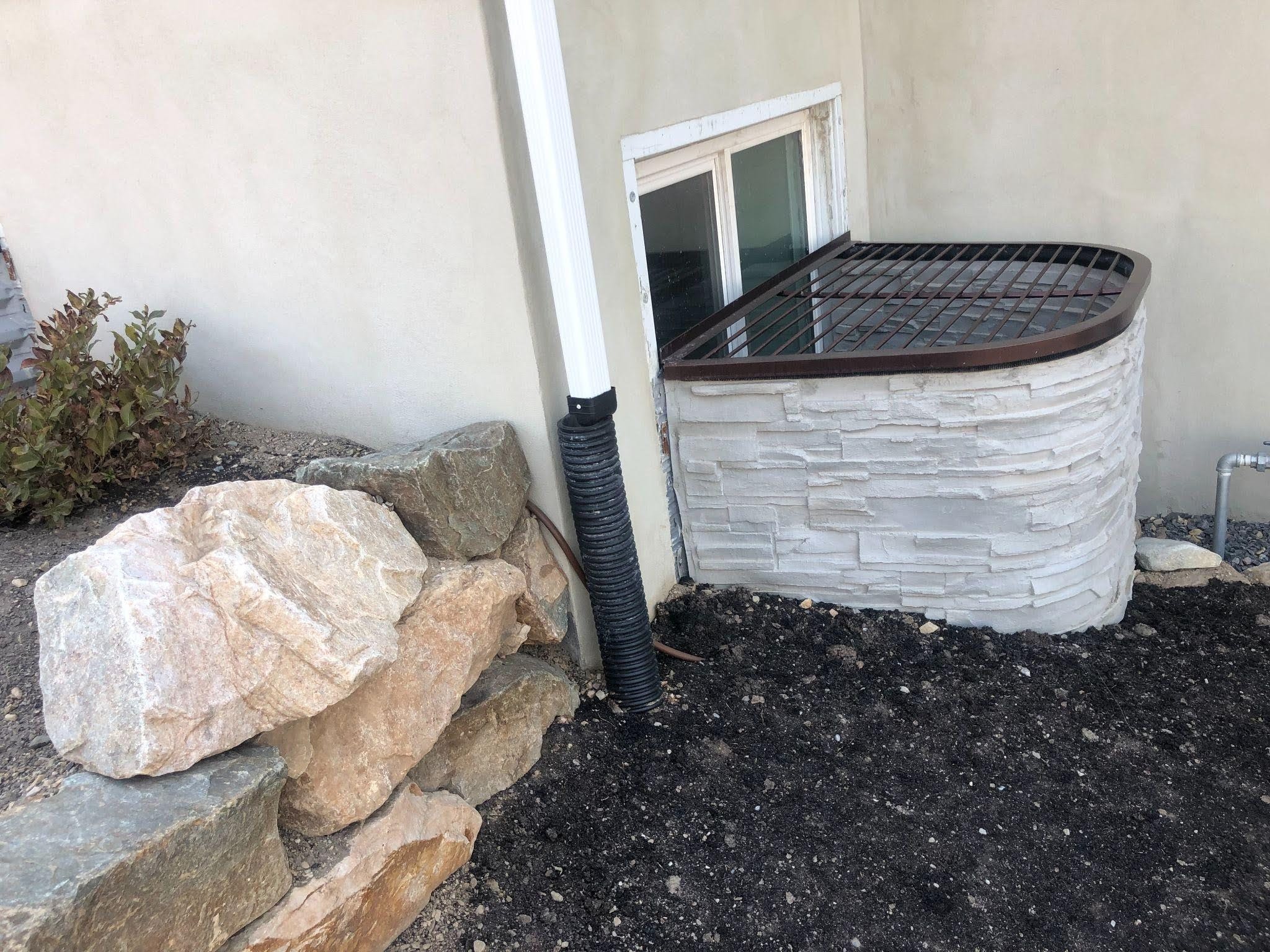
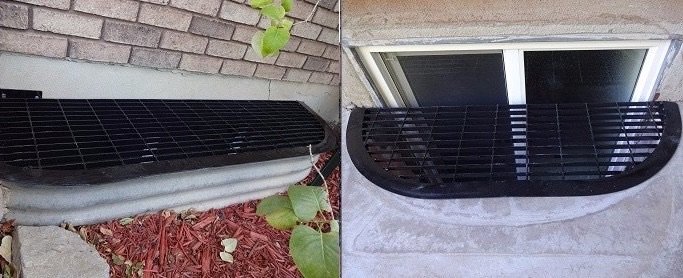
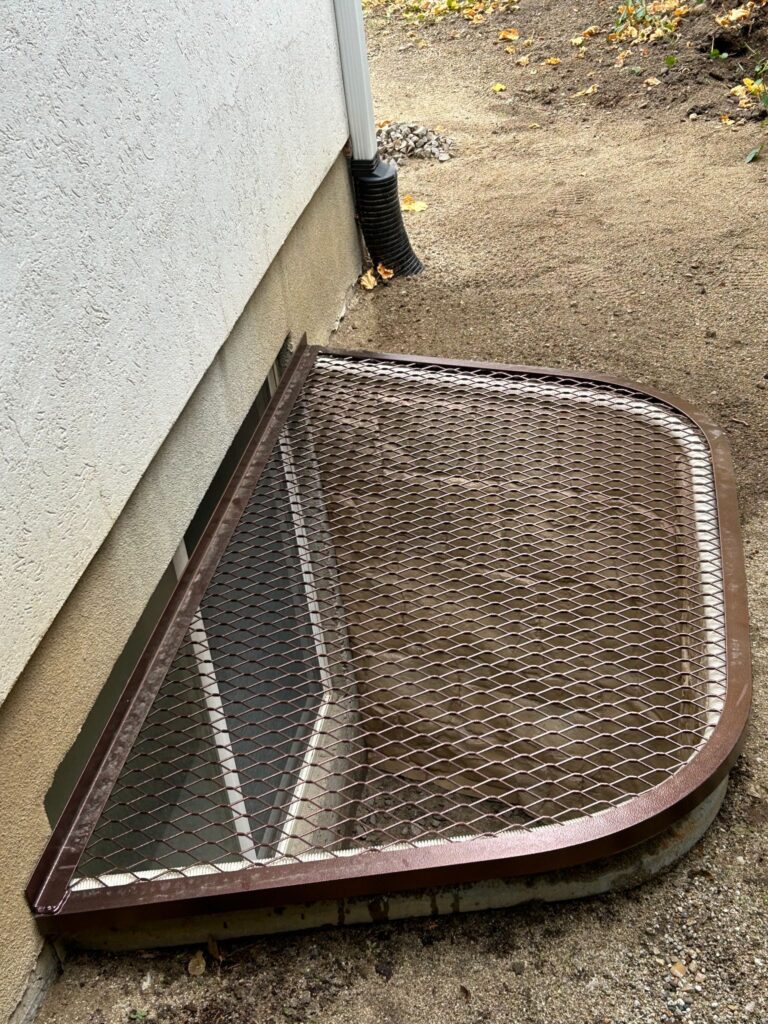
Window well grates provide an open metal surface that supports airflow and can reduce fall risks around the well. They often work well near patios and walkways.
Open grates allow more rain, snow, leaves, and small debris inside.
Choose based on how the area gets used
Look beyond the well itself and consider what happens around it.
- Basement bedroom: Choose an egress-friendly design with a simple interior release.
- Well beside a walkway: Prioritize secure mounting and verified strength.
- Well below trees: Use close-fitting protection to reduce leaves and seed pods.
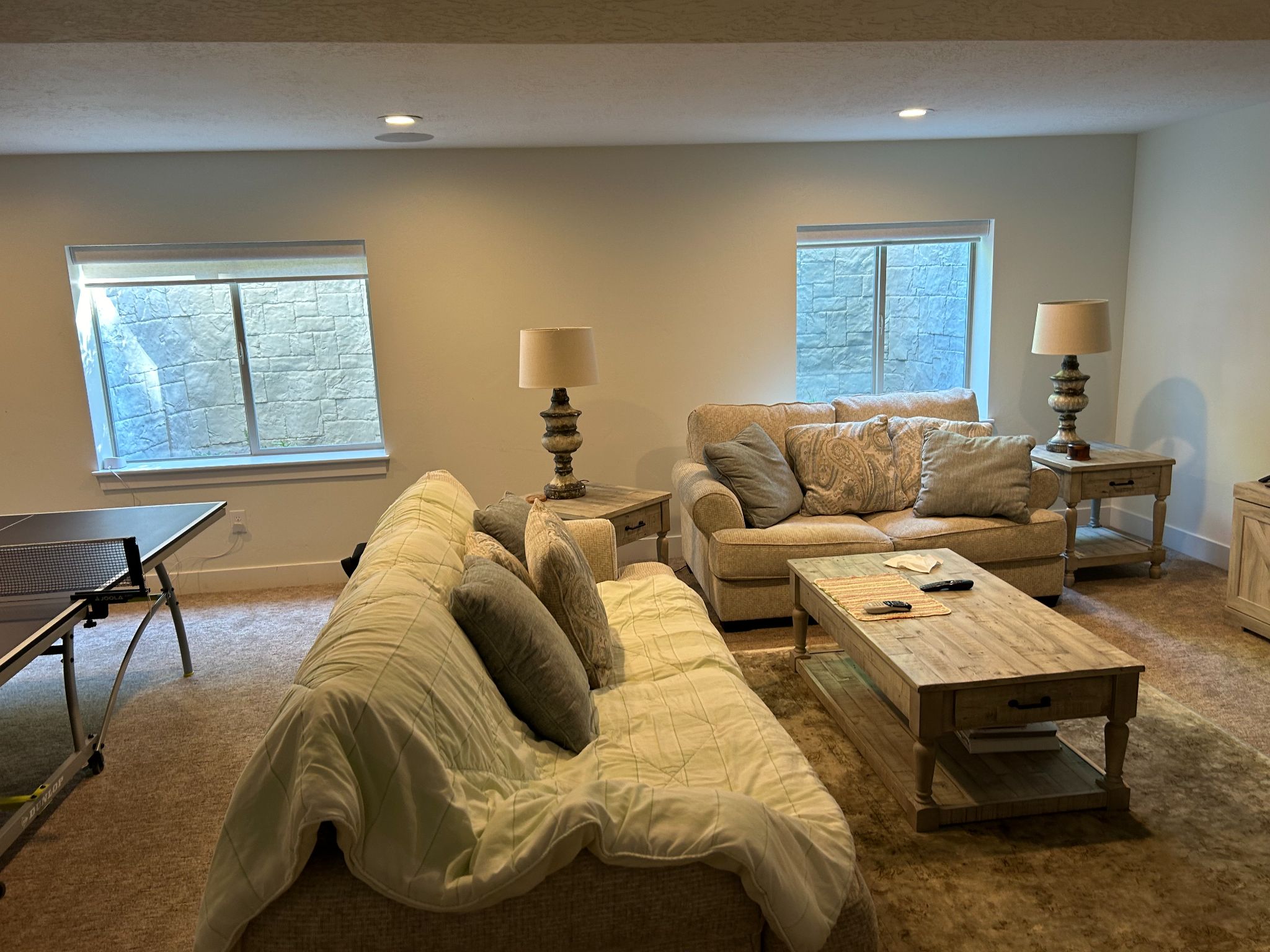
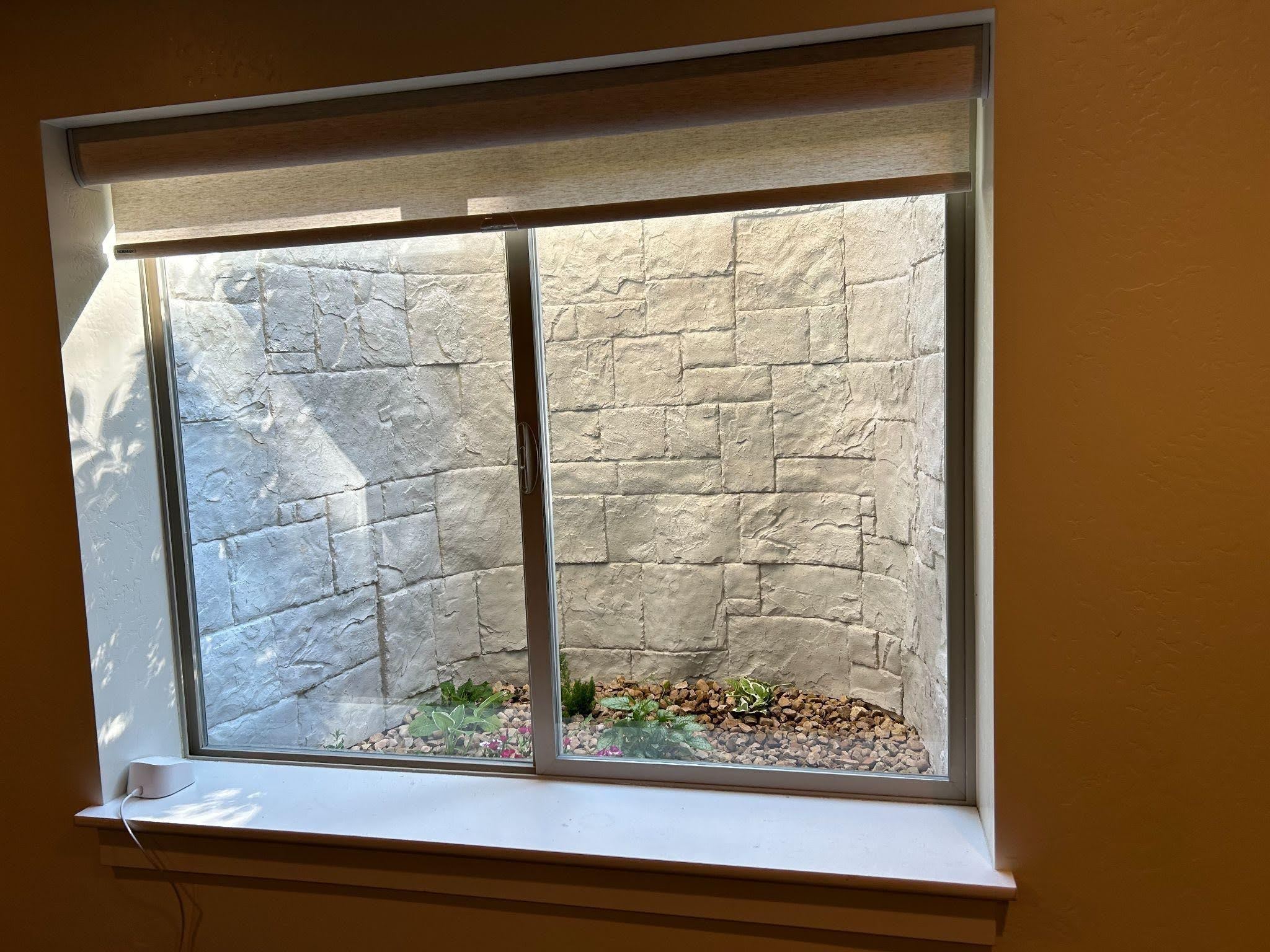
- Finished basement room: Limit bulky framing to preserve light and the indoor view.
- Outward-opening window: Allow enough height for the sash.
- Unusual well: Consider professional measurement and a custom fit.
This approach may lead you to use clear window well covers in one area and window well grates in another.
Consider safety and egress access
Review the manufacturer’s weight information for the exact design, especially near children, pets, walkways, or play areas.
Don’t assume every cover is safe to walk on. Span, mounting, installation, and the condition of the well all affect performance.
An egress cover needs to release from inside without tools or confusing steps. Test it from the basement and confirm that snow, ice, furniture, curtains, or landscaping won’t block the exit. Window well grates used over egress wells need the same easy interior release.
Plan for Utah weather and drainage
Utah homes deal with snow buildup, spring runoff, sudden storms, windblown debris, and freeze-thaw cycles. Look at where a sloped cover will send snow and rain. Water may land beside the foundation, across a walkway, or toward another well.
Clear window well covers may reduce snow and debris entering from above, but seasonal checks still help. Clear snow from the rim, inspect the mounting after strong winds, and watch for standing water during snowmelt.
Consider maintenance and the basement view
Choose a cover that’s easy to open or remove when the well needs attention. You’ll still need access to the window and the area below the cover for routine cleaning and drainage checks.
View the cover from inside the basement before making a final choice. Framing or surface wear may stand out more in a finished room, so a custom design can help preserve light while fitting the window and working properly.
Common window well cover buying mistakes
- Measuring only the width: Projection, height, shape, and exterior obstacles also affect fit.
- Assuming the cover fixes drainage: A cover won’t correct clogged gravel, poor grading, or foundation gaps.
- Forgetting how the window opens: An outward-swinging sash may hit a flat or low-profile cover.
- Using the same option for every well: One home may need clear protection near finished rooms, window well grates near traffic areas, and custom window well covers for unusual openings.
- Ignoring future access: A difficult-to-remove cover may discourage routine cleaning and drainage checks.
Window well cover selection checklist
Before making a final choice, it’s important to take these steps:
- Inspect the well for water, sediment, rust, or movement.
- Measure width, projection, height, and shape.
- Open the basement window fully.
- Confirm egress and ladder clearance.
- Check for nearby foot traffic, children, and pets.
- Decide how much light and airflow you want.
- Confirm the cover lifts or releases easily.
- Compare verified strength information.
Frequently asked questions
Are clear window well covers better than grates?
Clear window well covers provide fuller protection from debris, animals, rain, and snow. Window well grates allow more airflow and may provide stronger fall protection, depending on the design.
Are custom window well covers worth it?
Custom window well covers often make sense for irregular, oversized, or uneven window wells, as well as egress wells. A closer fit can reduce gaps and provide the clearance needed for the window to open properly.
Can a window well cover prevent basement flooding?
A cover may reduce water entering from above. It won’t fix poor grading, clogged drainage, foundation gaps, or water already collecting inside the well.
Can you walk on a window well cover?
Only step on a cover when the manufacturer specifically designs and rates it for foot traffic.
Do egress window covers need to open from the inside?
Yes. An egress cover needs to release from inside without tools and preserve a clear emergency exit.
How often should you inspect a window well cover?
Check it after major storms, strong winds, heavy snow, and spring snowmelt. Look for cracks, loose mounting, shifting, debris, and standing water.
Choose the right cover with Windowell Expressions
The right cover fits well, works with the basement window, and supports drainage, safety, light, and maintenance. Windowell Expressions can measure your wells, review the surrounding conditions, and help you compare custom, clear, and window well grates. Contact our team to schedule a free in-home estimate and find an option built for your home.