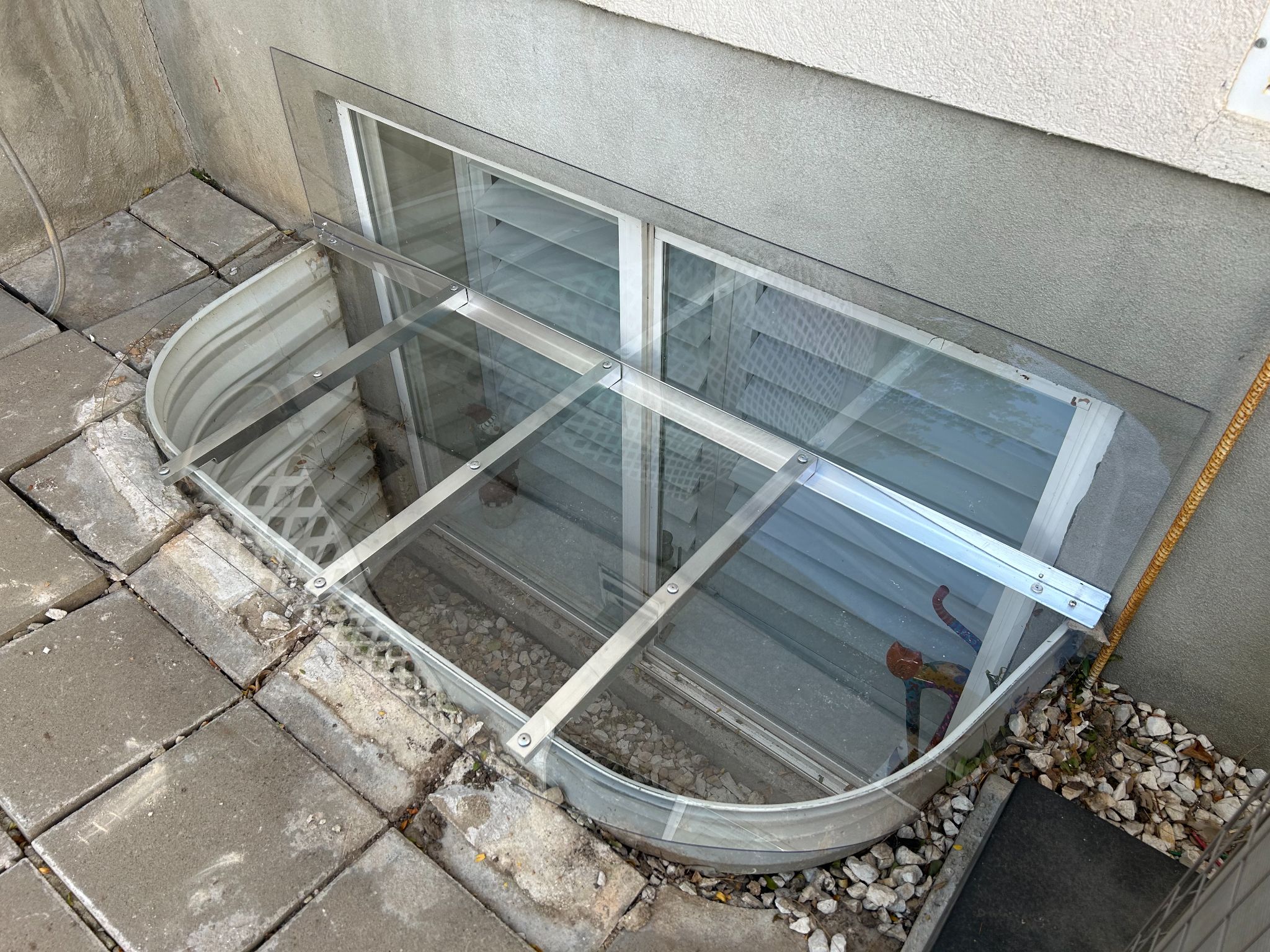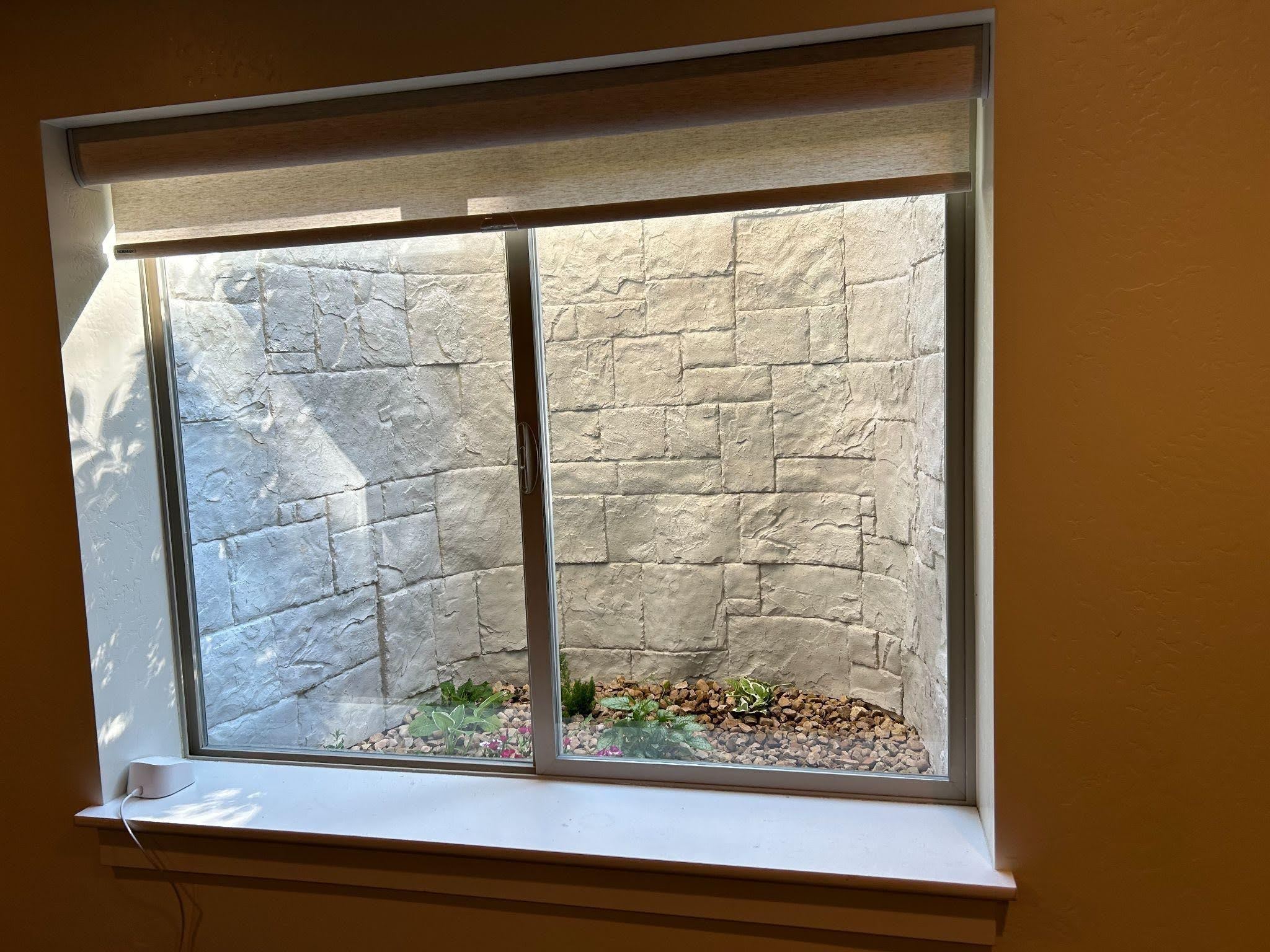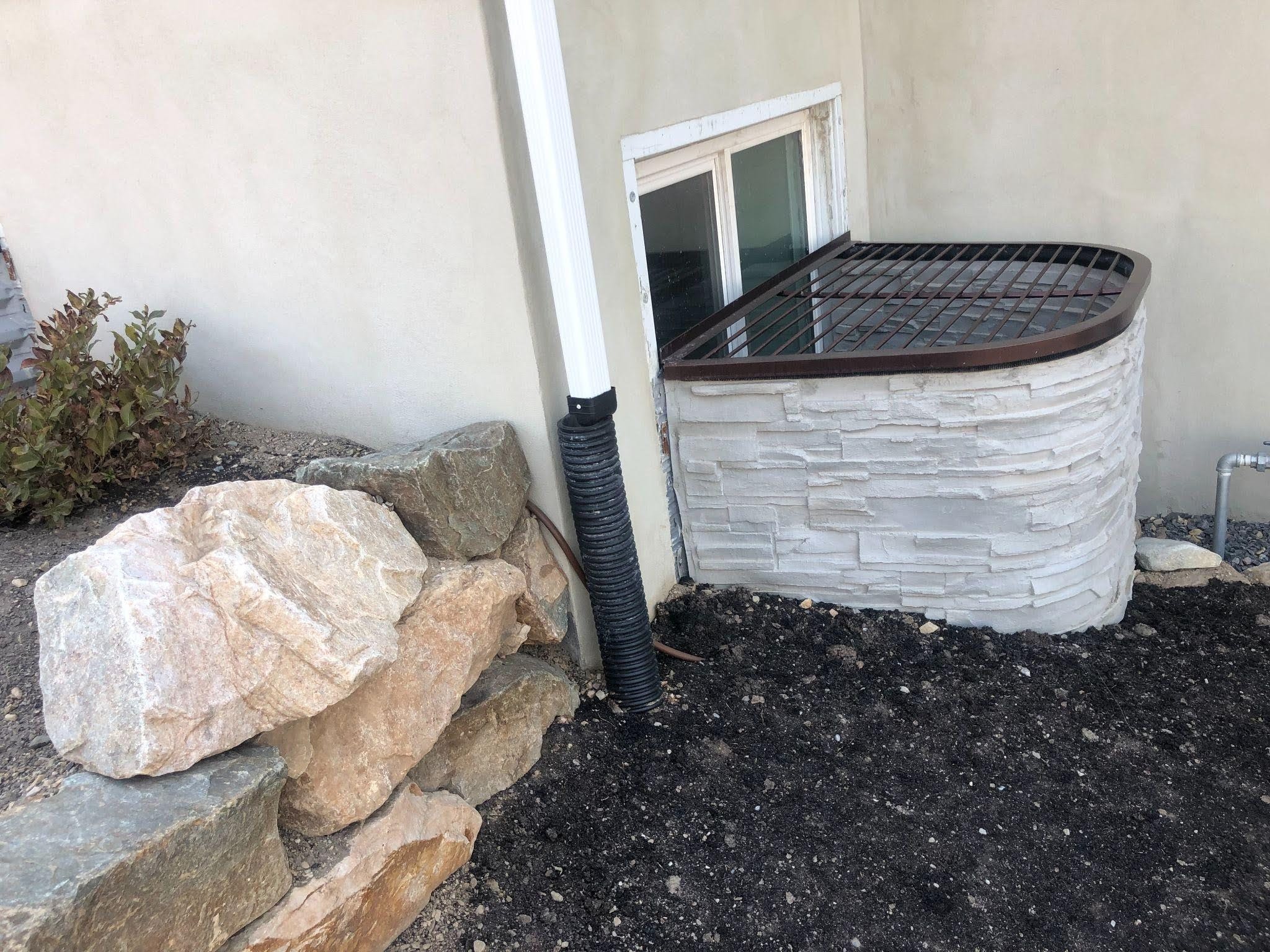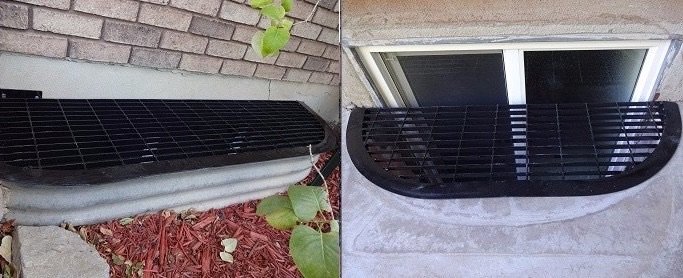
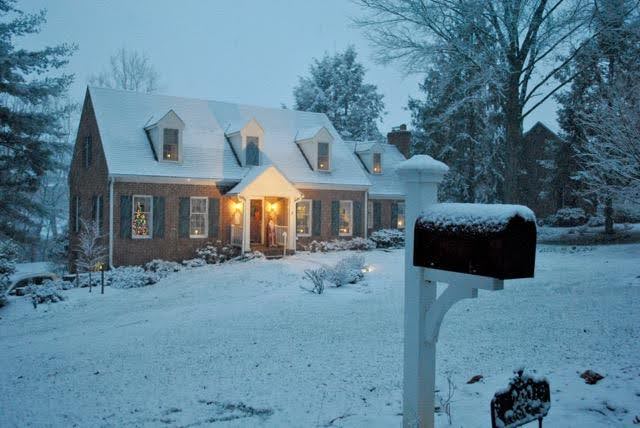
Winter window well maintenance helps prevent snow buildup, standing water, and basement leaks while keeping your egress route usable. Start by clearing snow and debris after storms, then confirm the drainage layer stays open and deep enough to work. Adding window well covers helps keep elements out, and durable window well liners support long-term protection around the well.
Simple winter habits that keep your window well working
In the dead of winter, it’s easy to cozy up in front of the fireplace with a hot cup of cocoa instead of keeping up on household chores. Still, winter is when small oversights around your basement turn into bigger problems. With a few quick check-ins and simple habits, you protect your home, keep natural light coming in, and maintain a clear emergency exit.
This guide walks you through practical winter window well maintenance, including how to keep snow from collecting in the well, how to keep window well covers clear, and what to look for before thaw days and refreezes.
What winter window well maintenance is and why it matters
A window well brings light into your basement and may serve as an emergency exit, but winter compromises both. Snow buildup and freeze-thaw cycles push snow into the well, create pooling meltwater, and raise the risk of leaks.
Even with window well covers, quick checks help prevent snow load, blocked light, and clogs. Window well liners add another layer of protection by keeping soil and debris from collapsing into the well. A few minutes of prevention now saves major cleanup later.
Step-by-step winter checklist
Use this checklist after storms and during warm spells, when melting and refreezing create surprise water buildup.
1. Clear snow from the window well area after storms
Imagine a big snowstorm. You shovel the driveway and sidewalks and call it done, right? It’s easy to forget the window well, but it is equally important. Clear snow away from the rim so it cannot drift or slide in.
2. Remove snow that collects inside the well
If snow makes its way into the well, it melts and creates pooling water outside the window, or it shows up as dampness inside. Scoop out what you safely reach and avoid packing snow down, which slows melting and makes drainage harder.
3. Keep window well covers clear and functional
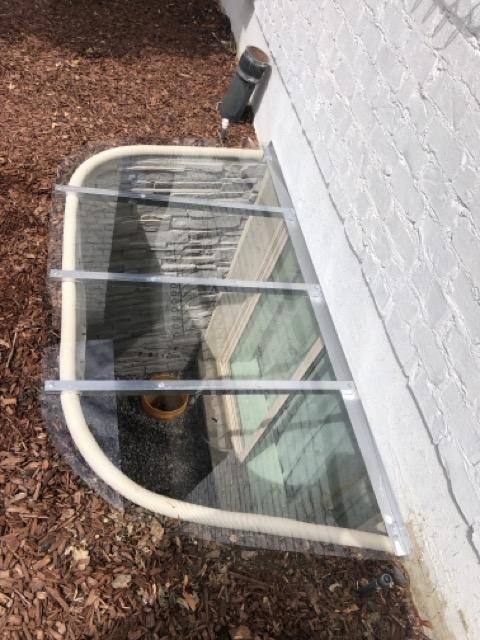
If you have window well covers, brush off heavy snow so the cover stays visible, stable, and able to let in light. Clearing the top also helps you confirm nothing has shifted after wind, ice, or snow load.
4. Make sure your egress route stays accessible
No one is immune to emergencies, and winter does not take a day off. Keep the well accessible so it remains a viable exit from the basement. If you use window well covers, do not let snow bury the edges or block removal.
5. Check the drainage layer at the base
As a rule of thumb, keep six to eight inches of drainage material at the base of the well, and keep that layer about six inches below the bottom of the window. If you see sediment building up, plan a cleanup before the spring melt.
6. Watch for ice buildup during warm days and cold nights
When daytime temperatures rise and nighttime temperatures drop, melting and refreezing create ice that blocks drainage pathways. If you see ice forming in the well, clear loose debris and confirm that water still moves down and away. Or, if you notice soil slumping or buildup along the sides, inspect the window well liners for cracks or gaps.
7. Look for early warning signs inside
After a storm or warm spell, take a quick look inside near the basement window. Watch for damp trim, a musty smell, or condensation that appears more than usual. Catching these early keeps small issues from turning into repairs.
8. Set a simple winter schedule
Do quick checks after each major storm, and do a longer check once a month.
Consistent habits make window well maintenance feel easy instead of overwhelming.
Benefits of staying consistent
Winter upkeep is not complicated, but it pays off in a few big ways:
- Helps prevent water from pooling against the basement windows
- Keeps your basement escape route usable during emergencies
- Preserves natural light, even during darker months
- Reduces spring cleanup by keeping debris and sediment under control
- Supports long-term durability when paired with strong window well covers
- Makes window well maintenance feel routine instead of urgent
Common mistakes to avoid
- Forgetting the window well while clearing driveways and sidewalks
- Letting snow collect inside the well and melt against the window
- Assuming a cover means you can ignore the well all winter
- Allowing the drainage layer to fill with sediment or debris
- Blocking access with snow piles, tools, or stored items
- Waiting until spring to check for issues after repeated thaws
Data and research insights
Winter creates a predictable chain reaction: snow builds up, temperatures rise, meltwater and moves. Then, temperatures drop and refreeze whatever did not drain quickly. That is why drainage and debris control matter so much.
A few practical insights to keep in mind:
- Meltwater behaves like slow-moving runoff and collects wherever it meets resistance
- Fine debris and sediment fill gaps in drainage material, reducing water flow
- Repeated freeze-thaw cycles stress small openings and expand minor issues over time
- Preventive clearing keeps drainage pathways more consistent, especially during thaw weeks
Recommended tools and products
You do not need much gear, but having the right basics makes winter checks quick.
Helpful tools
- Small shovel or scoop for tight spaces
- A broom or a soft brush for clearing snow off covers
- Work gloves with grip
- Bucket for debris removal
- Flashlight or headlamp for quick inspections
Helpful upgrades
- Clear, durable covers that keep out snow and debris while still letting in light
- Drainage material refresh, when needed, to maintain flow at the base
- Sealant or weatherstripping inspection supplies for window edges, as needed
FAQ
How often should I check my window well in winter?
Check after major snowstorms and warm spells. Quick inspections catch snow buildup, debris, and slow drainage early, and a monthly check helps you stay ahead of spring melt.
Should I remove snow from the top of my cover?
Yes. Clear heavy snow so the cover stays stable and keeps letting natural light in. It also helps prevent packed ice around the edges.
What is the right drainage material depth for winter drainage?
Aim for six to eight inches of drainage material at the base, below the bottom edge of the window. If sediment builds up, clear it so water drains efficiently during thaws.
Can ice buildup damage the well or cause leaks?
Ice blocks drainage and traps melted water in the well. When water sits against the window, it finds weak seals, so clear snow and debris to reduce pooling.
Will a cover block natural light in my basement?
Clear covers still let in light, but snow and debris block it. Keep the top clean to maintain natural light during winter.
Wrap up winter strong with Windowell Expressions
Winter window well upkeep stays simple when you keep snow out, keep drainage material working, and maintain a clear egress path. A few quick checks after storms and warm spells help you avoid pooling water and protect your basement through the season.
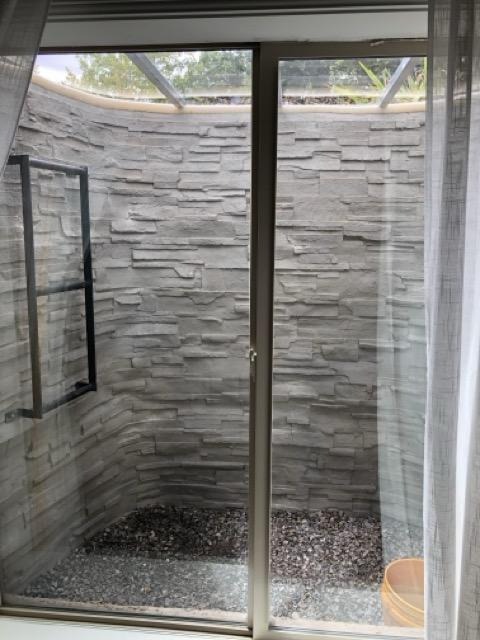
For added protection and peace of mind, explore Windowell Expressions’ window well covers and liners designed to withstand winter conditions.