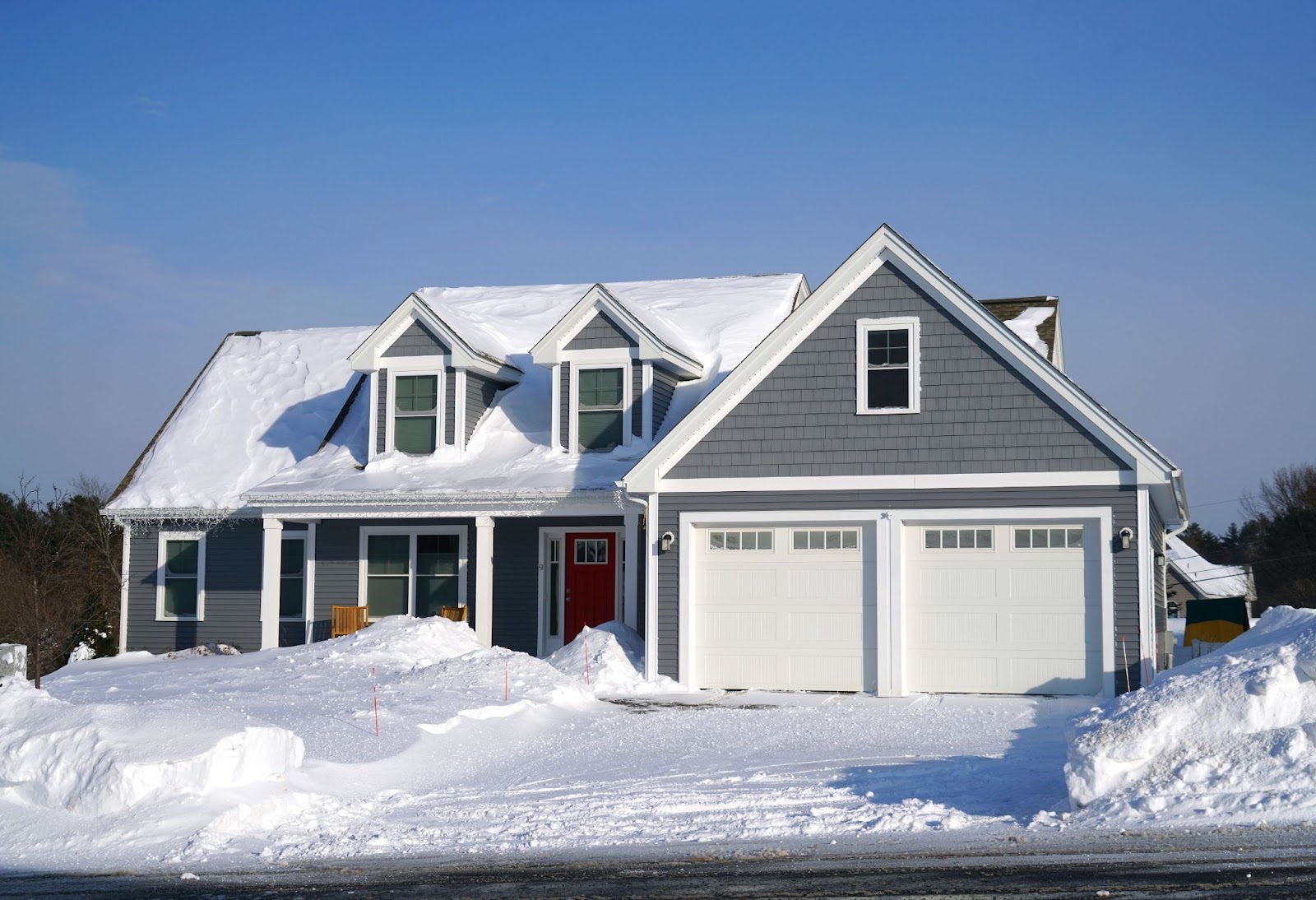
Melting snow poses serious risks to basements through window well water damage, where runoff pools in unprotected wells and seeps inside. Basement window well covers and proper window well water drainage prevent this by redirecting meltwater away from foundations, avoiding leaks, mold, and structural issues common during thaws.
The risks melting snow poses
Winter’s heavy snow buildup seems harmless until spring thaws unleash a flood of water right at your basement windows. Without basement window well covers, this may lead to window well water damage. It can cause warped floors, mold growth, and crumbling foundations.
This guide details how melting snow triggers window well water drainage failures, provides helpful fixes such as sturdy covers, and outlines step-by-step safeguards to protect your home through every seasonal shift.
What melting snow means for window wells
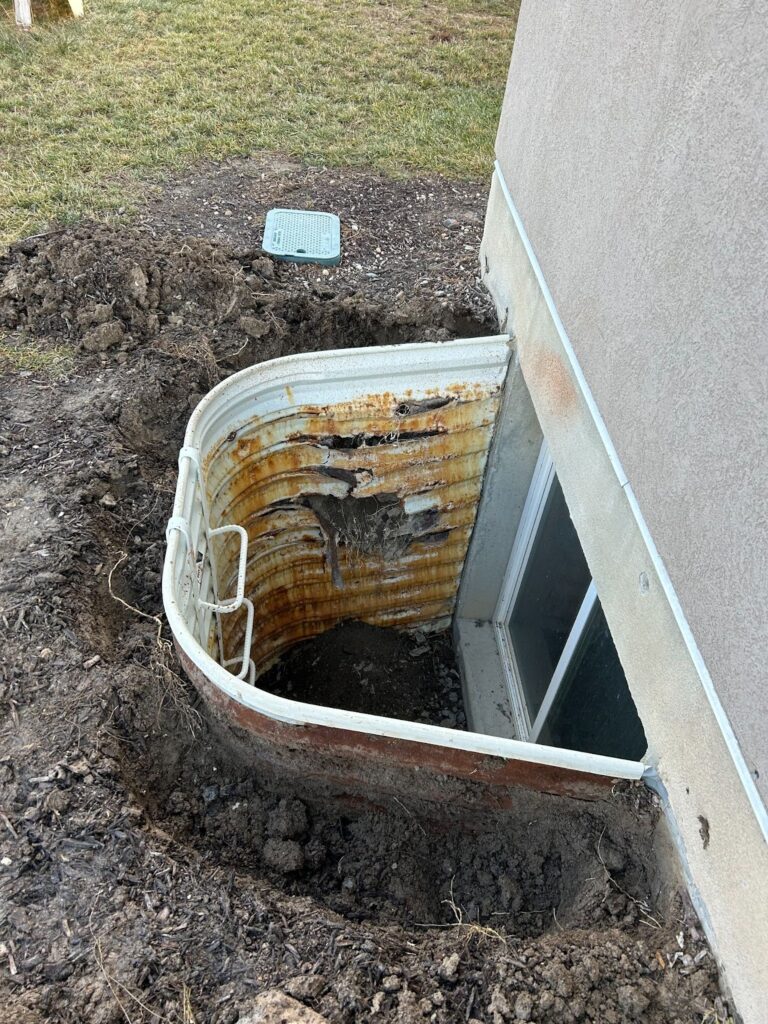
Melting snow turns window wells into water traps, causing window well water damage when runoff overwhelms poor drainage.
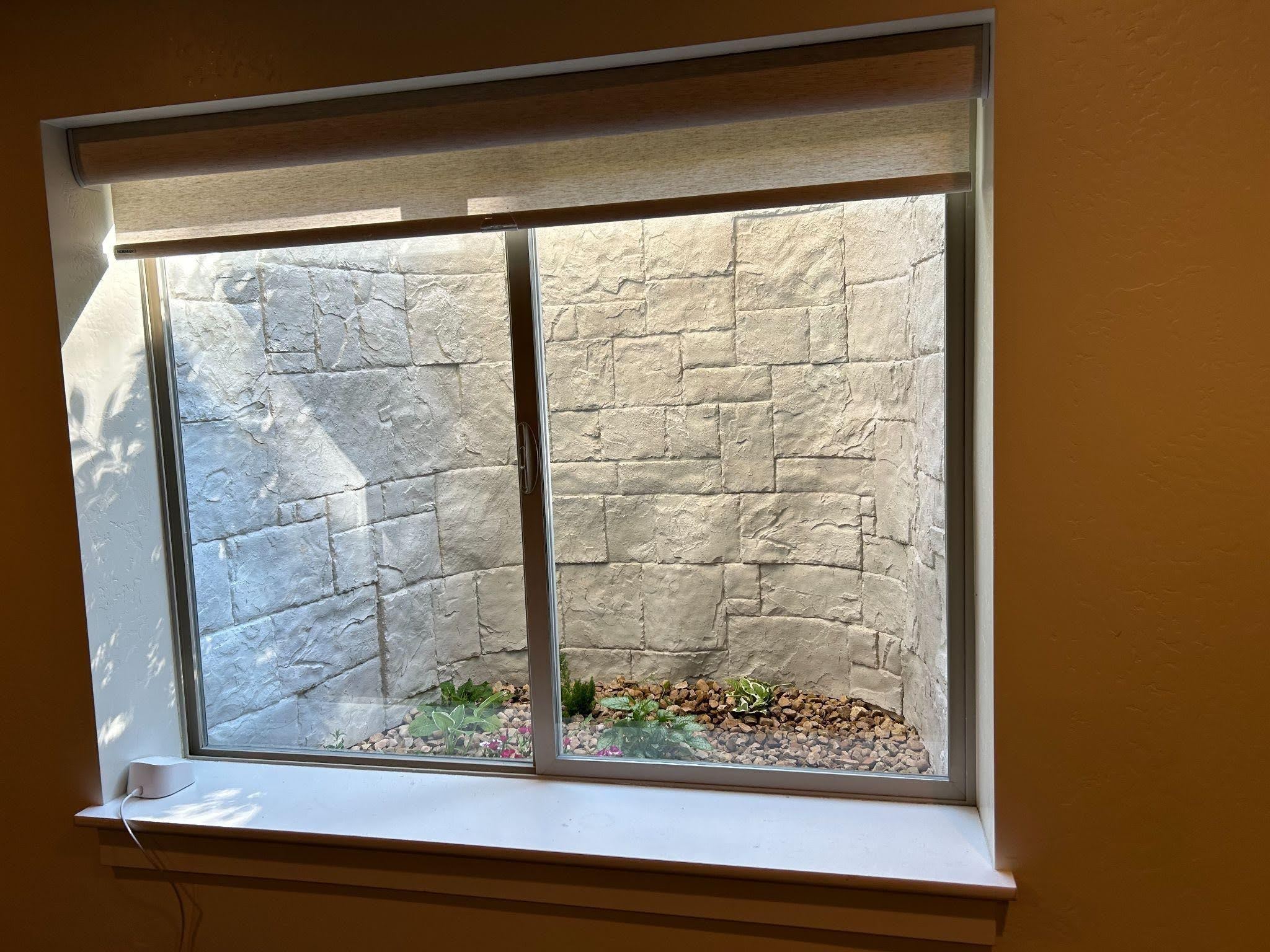
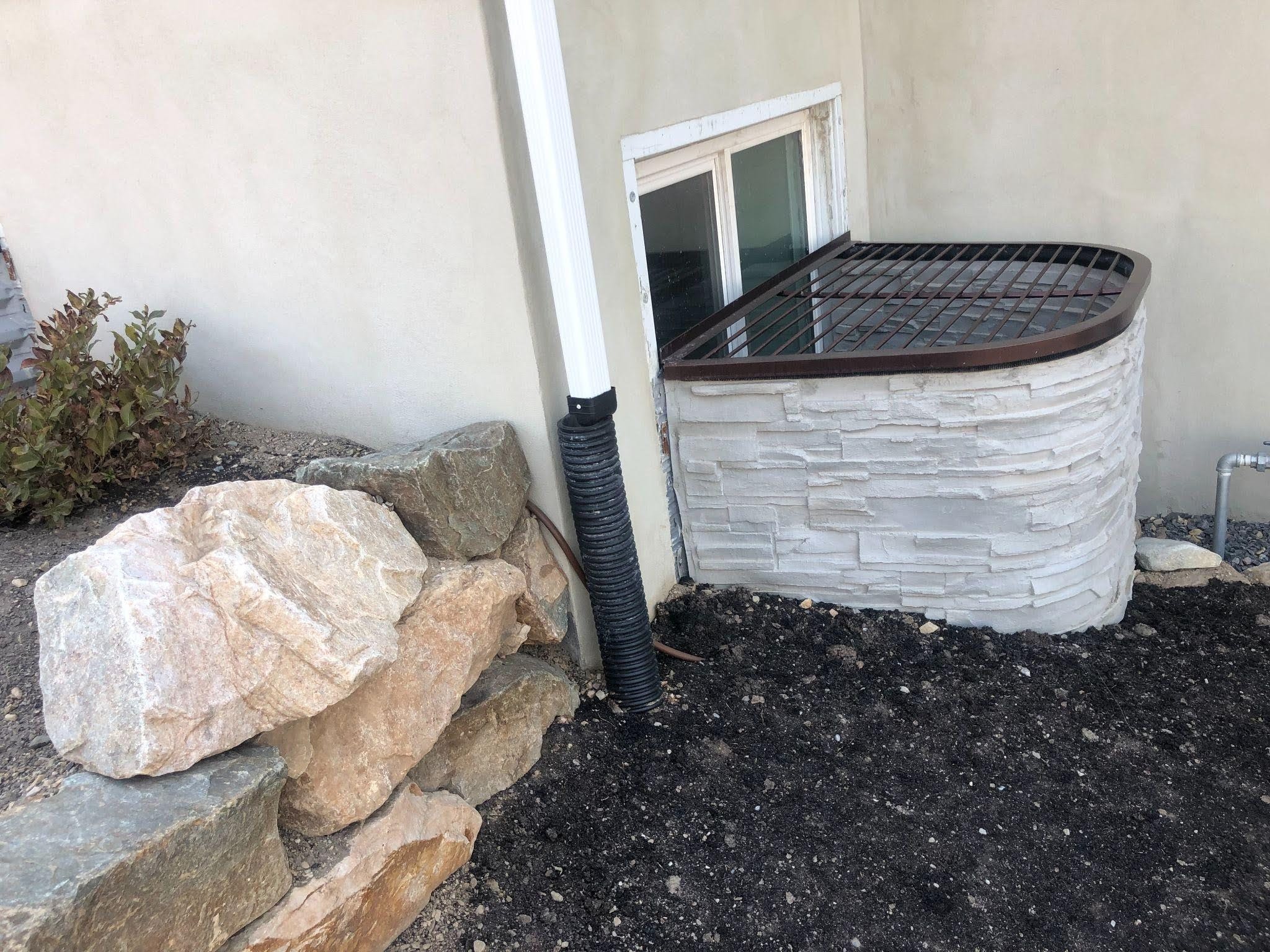
Window wells are recessed areas around basement egress windows that allow light and escape routes, but snow accumulation leads to hydrostatic pressure that cracks seals and forces water inside. Basement window covers block debris and snow, while effective window well water drainage channels meltwater away from foundations.
Step-by-step snowmelt protection guide
Follow these steps to secure window well water drainage and install basement window well covers before thaws hit.
1. Clear window wells thoroughly
Remove leaves, debris, and early snow buildup using a shop vac or leaf blower. Clogged wells block water drainage, amplifying snowmelt pooling.
2. Inspect the well structure
Inspect the well liner for signs of rust, cracks, or loose gravel. Repair metal wells with rust-inhibitor paint; replace damaged plastic liners to ensure the window well covers fit securely.
3. Test current drainage
Pour two to three gallons of water into the well — it should drain within 60 seconds. Slow drainage signals clogs. Use a drain snake to remove roots or sediment that block water drainage.
4. Regrade the surrounding soil
Slope the ground six inches downward over 10 feet away from the foundation. This directs meltwater flow, reducing the hydrostatic pressure that causes window well water damage.
5. Add/refresh gravel backfill
Maintain 12-18 inches of ¾-inch washed gravel at the well base for optimal drainage of window well water. Top up annually in the fall; avoid sand, which compacts and fails.
6. Measure for covers precisely
Record well width, depth, and window dimensions. Custom-fit window well covers provide full coverage, eliminating gaps where snowmelt can enter.
7. Install basement window well covers
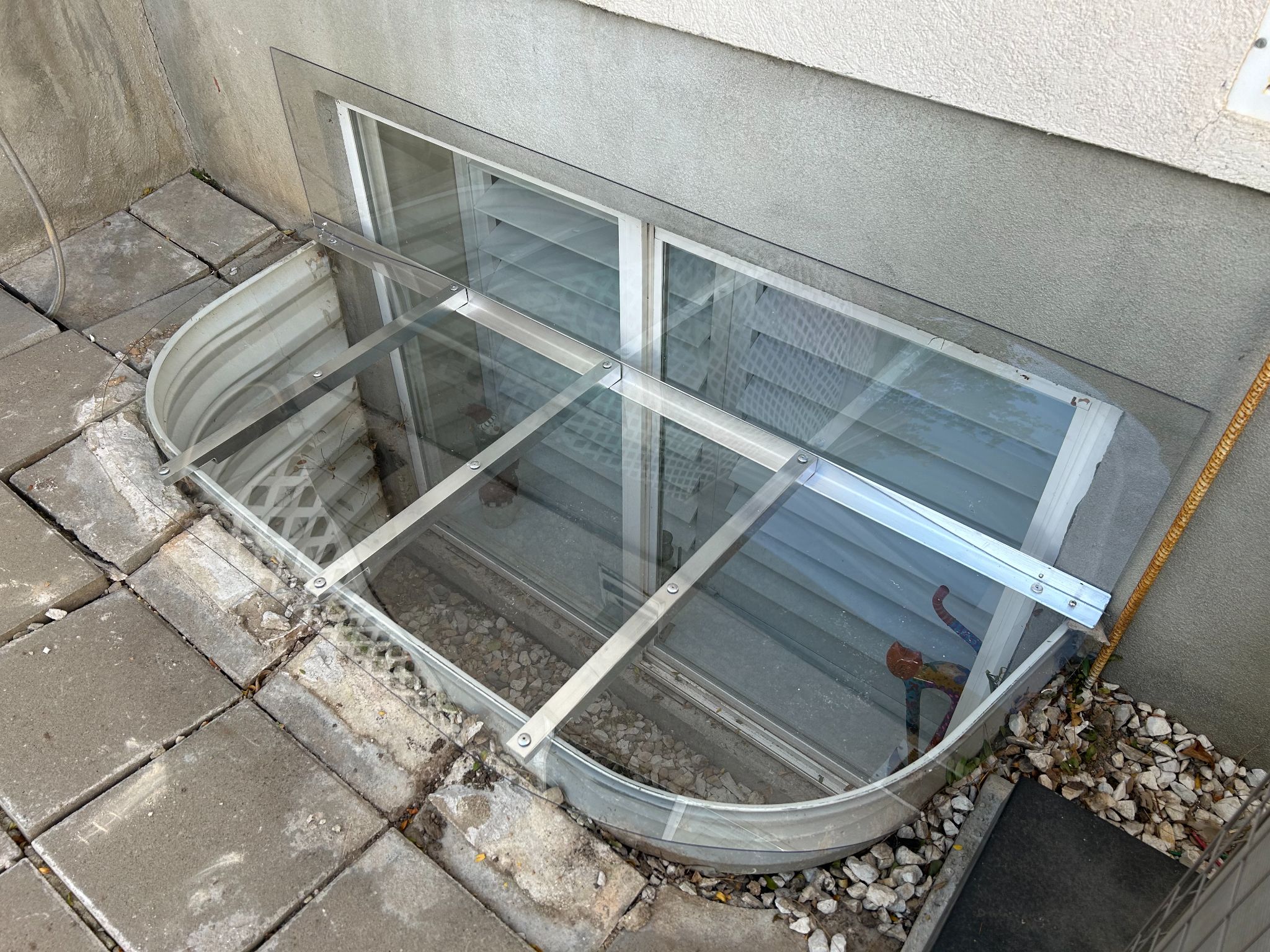
Secure polycarbonate covers with the provided brackets or concrete anchors. A slope ensures snow slides off; test by piling 50 lbs. of weight to verify stability.
8. Seal window frames
Apply silicone caulk around the edges of the egress window and weatherstrip the frame. This blocks window well water damage, even if minor leaks occur during heavy thaws.
9. Install drain extensions
Extend corrugated drain pipes from the well base to a sump pump. These handle overflow from rapid snowmelt when window well water drainage alone isn’t enough.
10. Winterize exposed components
Insulate any exposed drain lines and cover brackets with foam sleeves. Utah’s freeze-thaw cycles crack unprotected plastic, compromising window well covers.
11. Post-thaw inspection
After major melt events, check covers for cracks and drainage for ice blockages. Clear refrozen debris immediately to prevent damage.
12. Annual cover cleaning
Hose off pollen, dirt, and mineral deposits from polycarbonate surfaces. Clean covers maintain light transmission and prevent stress cracks from the weight of snow loads.
Examples of melting snow damage
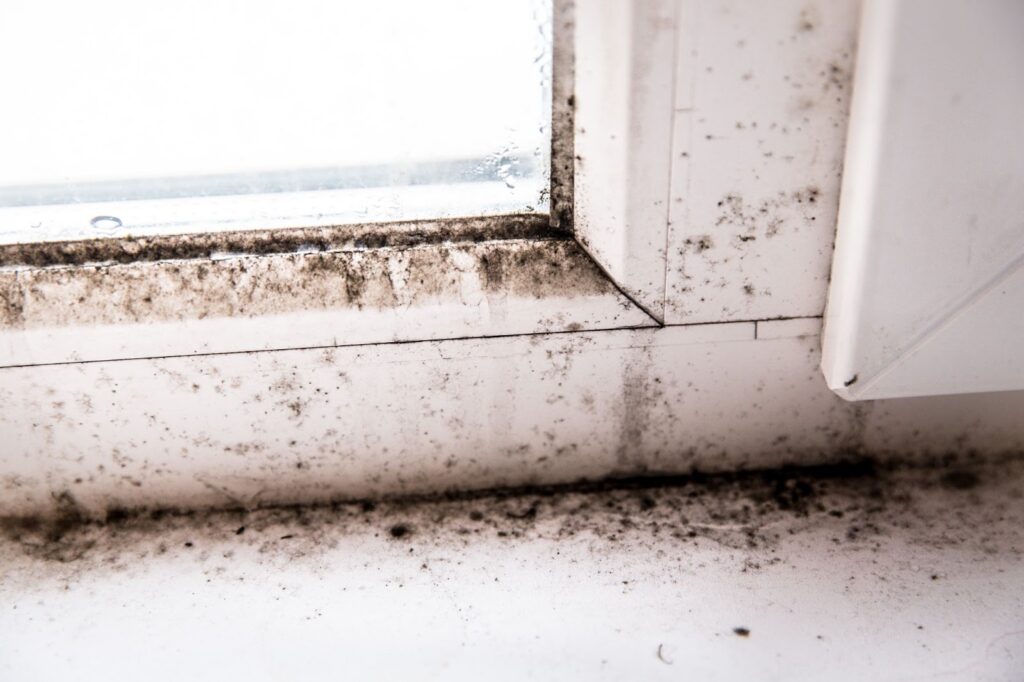
Clearing heavy snow from an uncovered window well too late can cause rapid spring melt, clogging poor drainage. This may cause window well water damage, resulting in basement flood water and early mold growth. Installing custom-fit basement window well covers and regrading for improved window well water drainage helps eliminate pooling, saving thousands in remediation costs.
Ice dam repair in a cold climate
Snowy homes in the northern part of Utah deal with ice dams forming from melt-refreeze cycles in exposed wells, as well as along gutters and roof ledges. Ice dams may lead to cracked window seals and water damage.
Retrofitting polycarbonate basement window well covers, combined with gravel-enhanced window well water drainage, prevents ice buildup, restores dry conditions, and prevents frame warping.
Benefits of basement window well covers
Basement window well covers shield against melting snow by preventing snow buildup and ensuring proper water drainage.
- Prevent water intrusion effectively: Polycarbonate basement window well covers act as barriers, channeling snowmelt away to maintain window well water drainage and reduce flood risks.
- Boost energy efficiency: Covers minimize heat loss through basement windows, conserving energy by protecting against cold air infiltration during thaws.
- Handle heavy snow loads: High-quality covers support 400-800 lbs. without failure, far exceeding typical snow accumulation to avoid cracking or collapse.
- Enhance safety and egress access: Keep window wells clear of debris and snow, ensuring compliant emergency escape paths while deterring accidents.
- Lower long-term repair costs: Proper covers prevent hydrostatic pressure from pooled meltwater, averting window well water damage and structural issues.
Common mistakes causing window well water damage
Avoid these pitfalls that amplify melting snow risks and window well water damage.
- Skipping window well covers, allowing snow to pile and melt directly against windows
- Ignoring debris-clogged drains that block water drainage
- Flat ground grading that pools meltwater near foundations
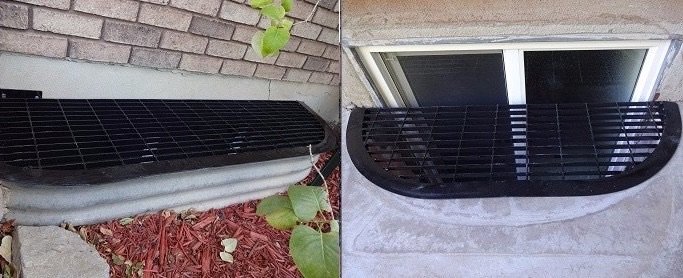
- Using weak plastic covers prone to cracking under snow weight
- Neglecting annual inspections post-thaw for seal failures
Recommended window well products
Equip your home with these for superior window well water drainage and basement window well covers.
- Polycarbonate sloped covers (e.g., heavy-duty models supporting 150 lbs of snow)
- Gravel backfill kits for enhanced drainage
- Egress-safe bubble covers for deeper wells
- Caulk sealants and drain snakes
- Smart water sensors for early leak alerts
FAQs on snowmelt and window well protection
How do basement window well covers stop snowmelt damage?
Window well covers slope water away, block snow entry, and maintain the window well’s ability to drain, preventing pooling and leaks.
How does melting snow cause window well water damage?
Runoff water may pool in wells without covers, creating pressure that can breach seals. Proper drainage fixes this issue.
How to improve window well water drainage?
Clear clogs, add gravel, and grade soil; then, pair with basement window well covers for best results.
Are polycarbonate basement window well covers winter-proof?
Yes. They resist ice, support heavy snow, and shed meltwater effectively.
Protect your home with Windowell Expressions
Melting snow threatens basements, window wells, and home foundations. Basement window well covers and smart window well water drainage help tackle those risks. Protect your home by implementing these steps for a dry, safe home year-round.
Ready to protect your home? Contact Windowell Expressions for custom basement window well covers installation or a free inspection today.