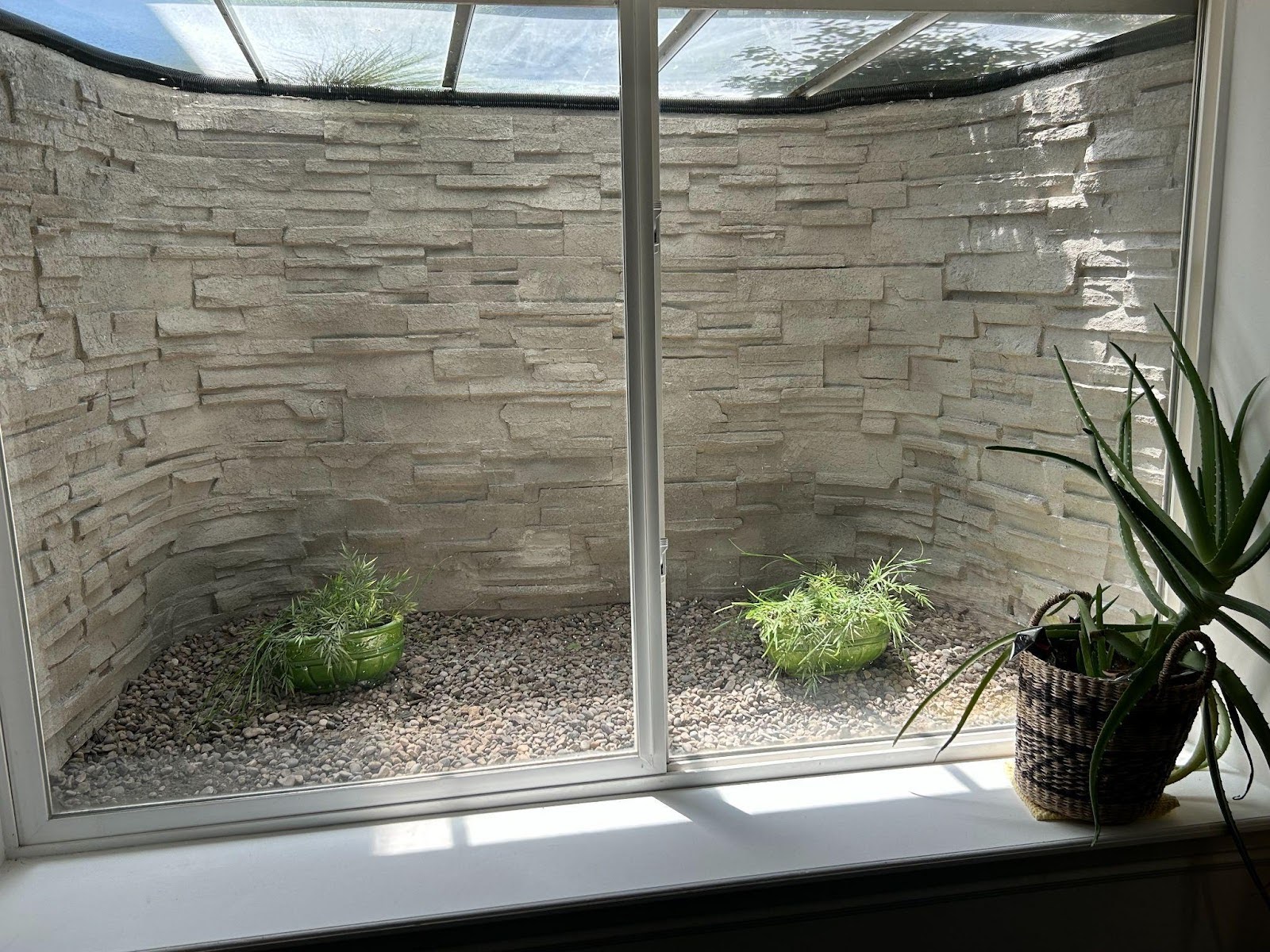
Proper window well depth keeps basement egress windows usable during emergencies. Proper depth provides the clearance needed to climb out and helps reduce snow, debris, and water buildup. When you plan window well installation around safety requirements and reinforce the area with a fitted window well liner, you improve stability, simplify maintenance, and protect year-round access.
Why window well depth matters when seconds count
Basement egress windows only protect your family when you actually use them. When the window well depth is insufficient, snow, soil, and debris block the opening, turning an emergency exit into a dead end. When the well goes deeper without the right setup, getting out becomes harder than it should be.
In this guide, you’ll learn what proper depth means for basement safety, identify what happens without proper depth, and learn how to use smart planning during window well installation to prevent common problems. We’ll also cover how a quality window well liner supports stability, drainage, and easier upkeep.
What proper window well depth means and why it matters
Window well depth measures the distance from finished ground level to the base of the well. Proper depth keeps an egress window usable by providing enough clearance to open the window and climb out quickly.
When the window well depth is too shallow, you may see:
- Snow and debris are blocking the opening.
- Landscaping is gradually reducing clearance.
- Water and sediment are pooling closer to the window.
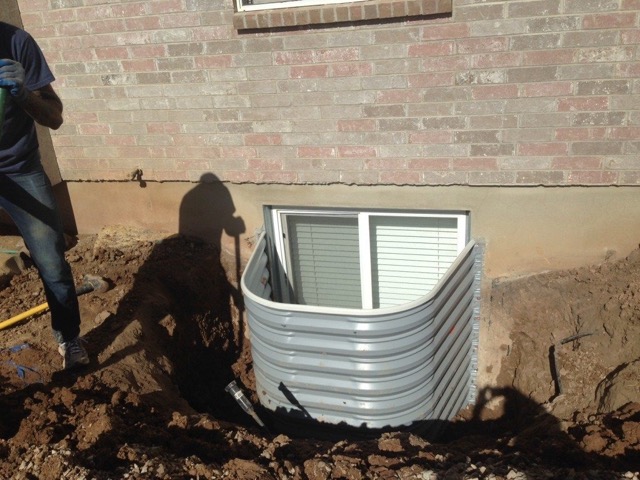
During window well installation, set the well at the right height, confirm the base and drainage, and protect the space with a window well liner to reduce soil intrusion and simplify upkeep.
Depth planning guide for basement safety
Use these steps to evaluate your current setup or plan a safer upgrade.
Confirm whether the window is an egress window
Not every basement window serves as egress. If the space functions as a bedroom or living area, the egress requirements often matter more.
Check local requirements before you change anything
Rules vary by location and project type. Look up local guidelines, or ask a qualified professional before you adjust the well, the opening, or the grade.
Measure the current window well depth and clearance
Measure from finished ground level down to the base, then check how much clear space surrounds the window opening. Document it with photos so you can compare after changes.
Look for hidden depth loss from landscaping
Mulch, soil, and edging build up over time. A well “shrinks” year after year, unnoticed, until it becomes a safety issue.
Assess drainage and base conditions
If water collects at the bottom, depth alone won’t solve the problem. Check for clogged gravel, sediment buildup, or slow drainage.
Plan the correct sequence before you dig or replace
Good window well installation starts with a clear order of operations: measurements, excavation, base prep, placement, anchoring, drainage check, and careful backfill.
Plan for safe climb-out when depth increases
A deeper well improves clearance, but you still need a safe way to exit. Steps or an egress ladder make the difference between “meets the requirement” and “actually usable.”
Add a window well liner when stability or cleanup is a concern
A window well liner helps reduce soil collapse and mess inside the well, especially in areas with shifting soil or repeated freeze-thaw cycles.
Re-check depth after grading and backfill
Backfill and new soil grading change everything. Verify the final measurements after the project wraps, not before.
Create a seasonal inspection habit
Snow, storms, and spring runoff change conditions quickly. Quick check-ins help you catch depth loss, clogs, and debris buildup early.
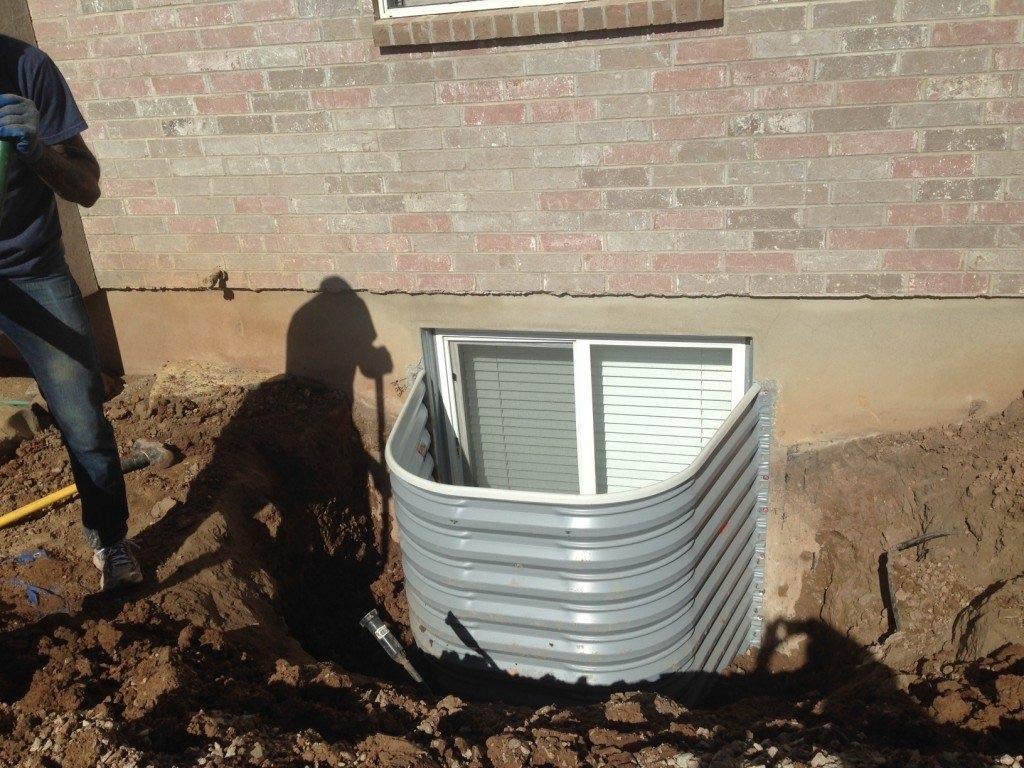
Real-life ways window well depth becomes a safety problem
Landscaping reduces clearance
Mulch and regrading slowly raise the ground level and shrink the window well depth. Snow drifts in, meltwater pools, and the exit gets harder to use.
Snowpack blocks the opening
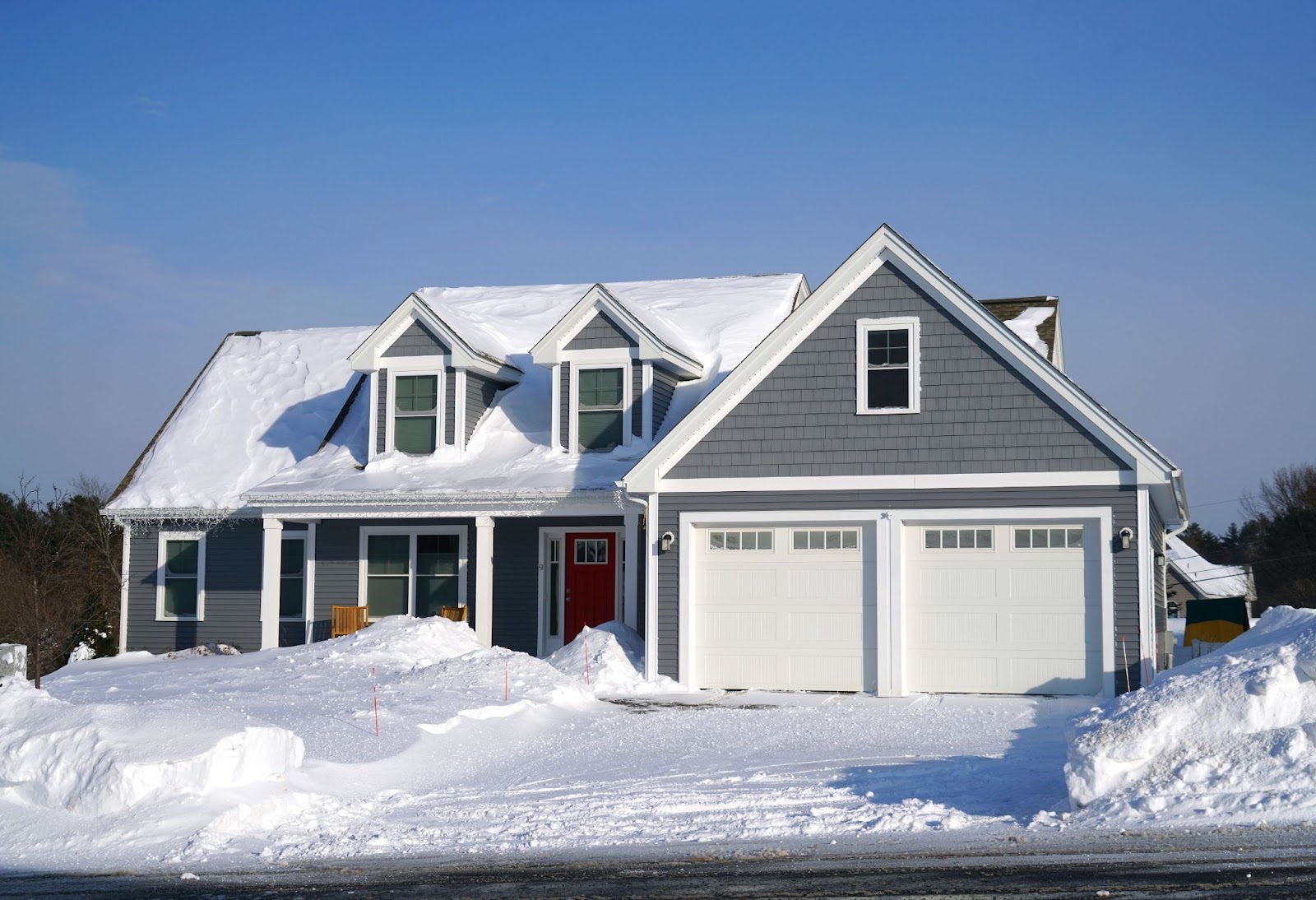
A shallow well fills with snow, then compacts and refreezes, leaving too little space to climb out safely.
No safe climb-out plan
Even with adequate depth, skipping a ladder or a set of steps makes the exit difficult during an emergency.
Inspection flags the issue
Home inspectors often call out reduced clearance and debris buildup. Fixing depth and drainage before listing turns egress back into a selling point.
Why correct depth matters for basement safety
Proper window well depth supports safety in ways homeowners often overlook:
- Keeps exits usable when it counts
- Reduces blockage from snow, soil, and debris
- Supports drainage and lowers pooling risk
- Improves long-term reliability through smart planning during window well installation
- Protects light and ventilation without sacrificing safety
Common mistakes that compromise window well safety
- Letting landscaping slowly raise the ground level around the well
- Assuming egress is “optional” once you build the home
- Ignoring drainage and assuming depth alone will solve the pooling
- Skipping seasonal checks after storms and thaw cycles
- Forgetting that a safe exit requires both clearance and climb-out planning
Data and research insights about basement egress safety
- Snow, debris, and gradual grade changes block access and reduce usable clearance over time.
- Snowmelt behaves like runoff and collects in low spots when it can’t drain.
- Water near the foundation creates moisture risk, so drainage and grading matter as much as the opening itself.
- Means of escape matter in residential fires, which is why keeping exits usable is critical.
Tools and products that support safe window wells
- Tape measure and level for consistent measurements
- Washed gravel or drain rock to support drainage at the base
- Egress ladder or steps for safe climb-out
- Anchors and brackets for secure well placement
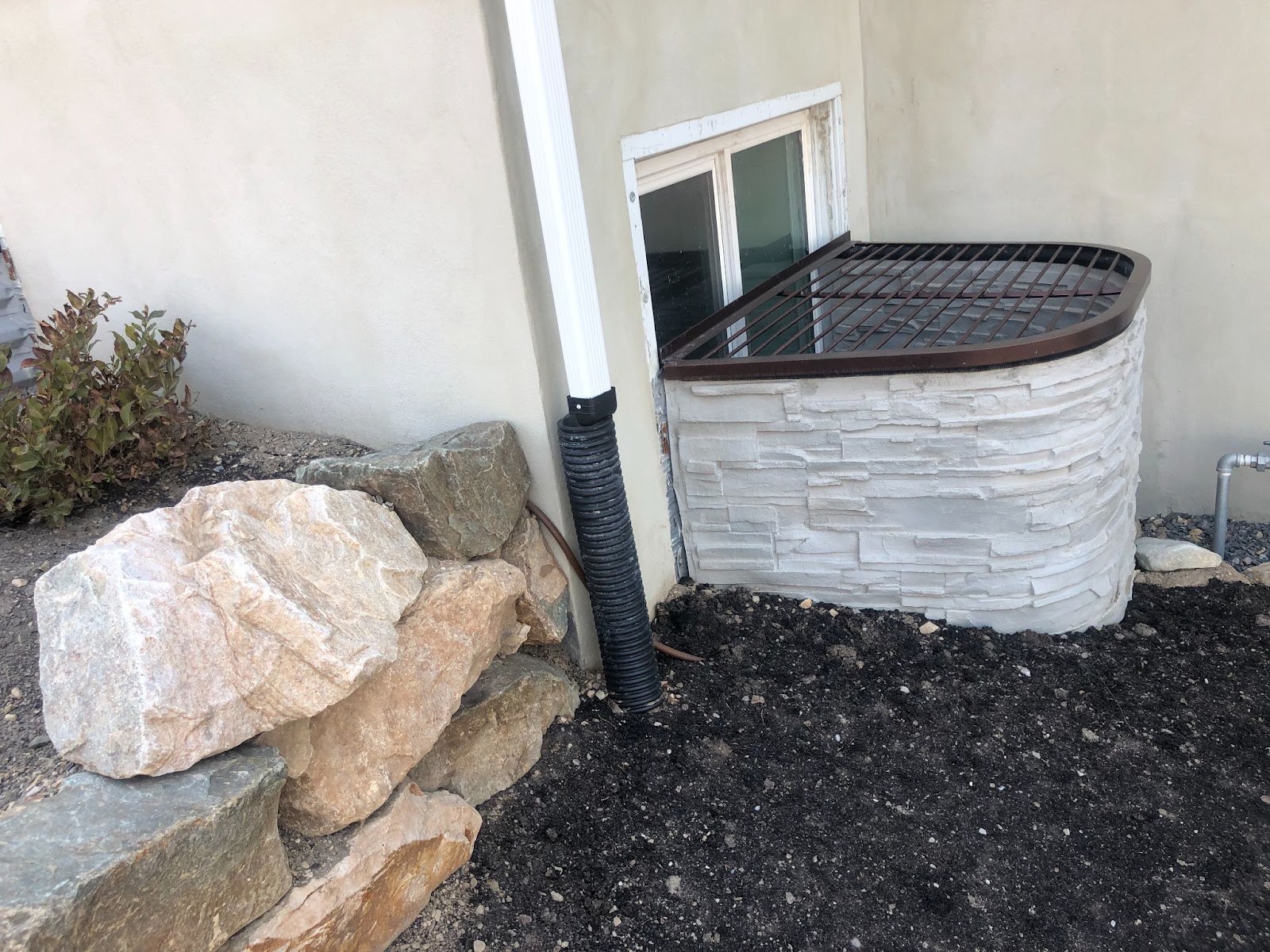
- A properly fitted cover to reduce debris and snow entry
FAQ
What is the safest depth for a window well for basement safety?
The safest depth maintains the required clearance and gives you a usable climb-out path. Confirm local egress guidelines, ensure the window opens fully, and exit without obstruction.
How do I measure the depth of a window well correctly?
Measure from the finished ground level to the base inside the well, then measure clearance around the window opening. Note any mulch, soil, or edging that may have raised the grade.
When should I redo the window well installation for safety?
Redo it if you can’t restore clearance with cleanup, drainage keeps failing, or the well shifts, rusts, or no longer fits properly. Hire a pro to grade or excavate near the foundation.
Does a window well liner help with safety or appearance?
A liner helps reduce soil intrusion and keep the well cleaner and more stable. It also improves appearance and reflects more light into the basement.
How do snow and landscaping affect window well depth over time?
Snow reduces usable clearance in winter, and landscaping slowly raises the surrounding grade. Both shrink effective depth, so seasonal checks help you catch problems early.
Winter weather changes the clearance overnight
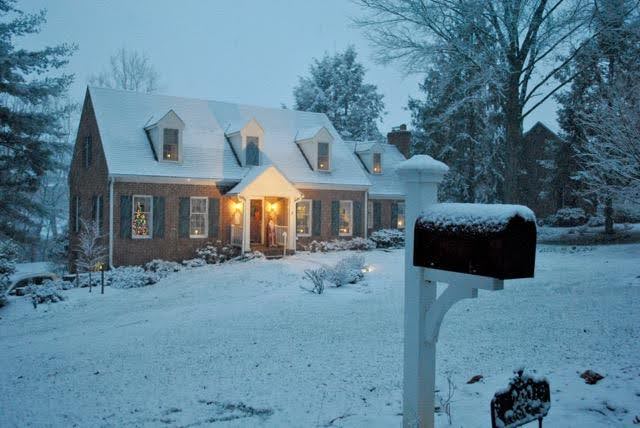
In places with heavy snow, quick thaws, and overnight refreezes, clearance can change quickly. A well that feels fine in summer becomes blocked in winter after a few storms and a warm spell. Check the well after snow events and during spring runoff weeks to keep the exit usable.
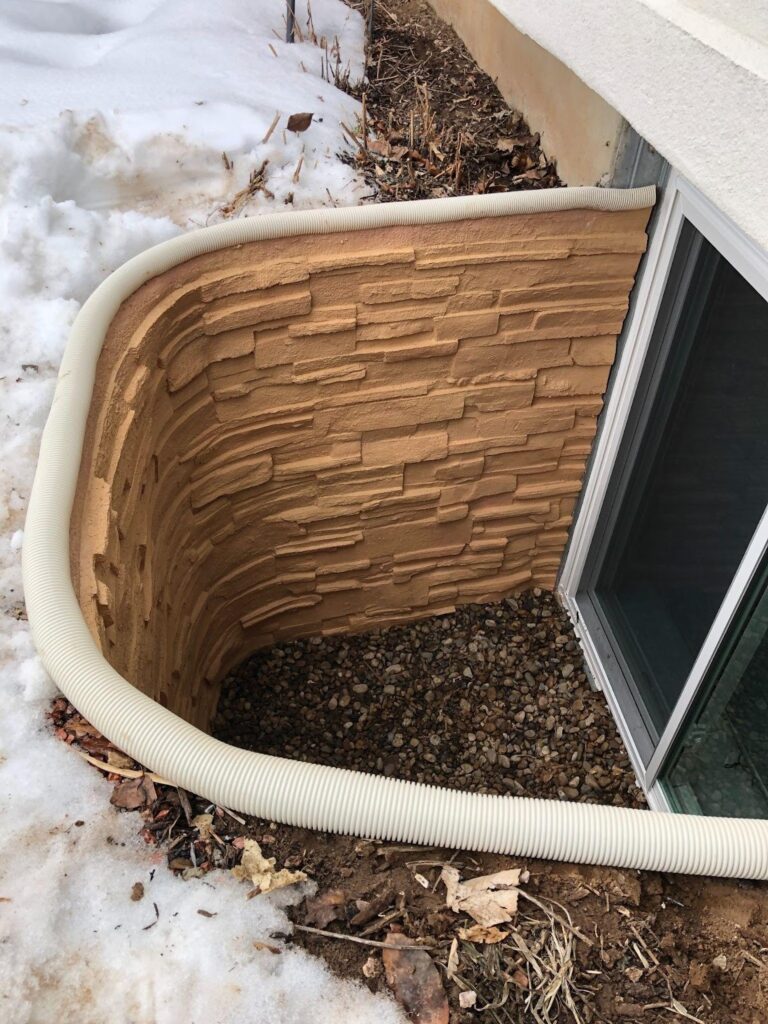
Get your window well safety checked by Windowell Expressions
Heavy snow, quick thaws, and overnight refreezes change clearance fast. A well that feels fine in summer becomes blocked in winter after a few storms and a warm spell. Check the well after snow events and during spring runoff weeks to keep the exit usable.
If you want a professional assessment or help correcting depth, drainage, or access issues, contact Windowell Expressions to request a quote.