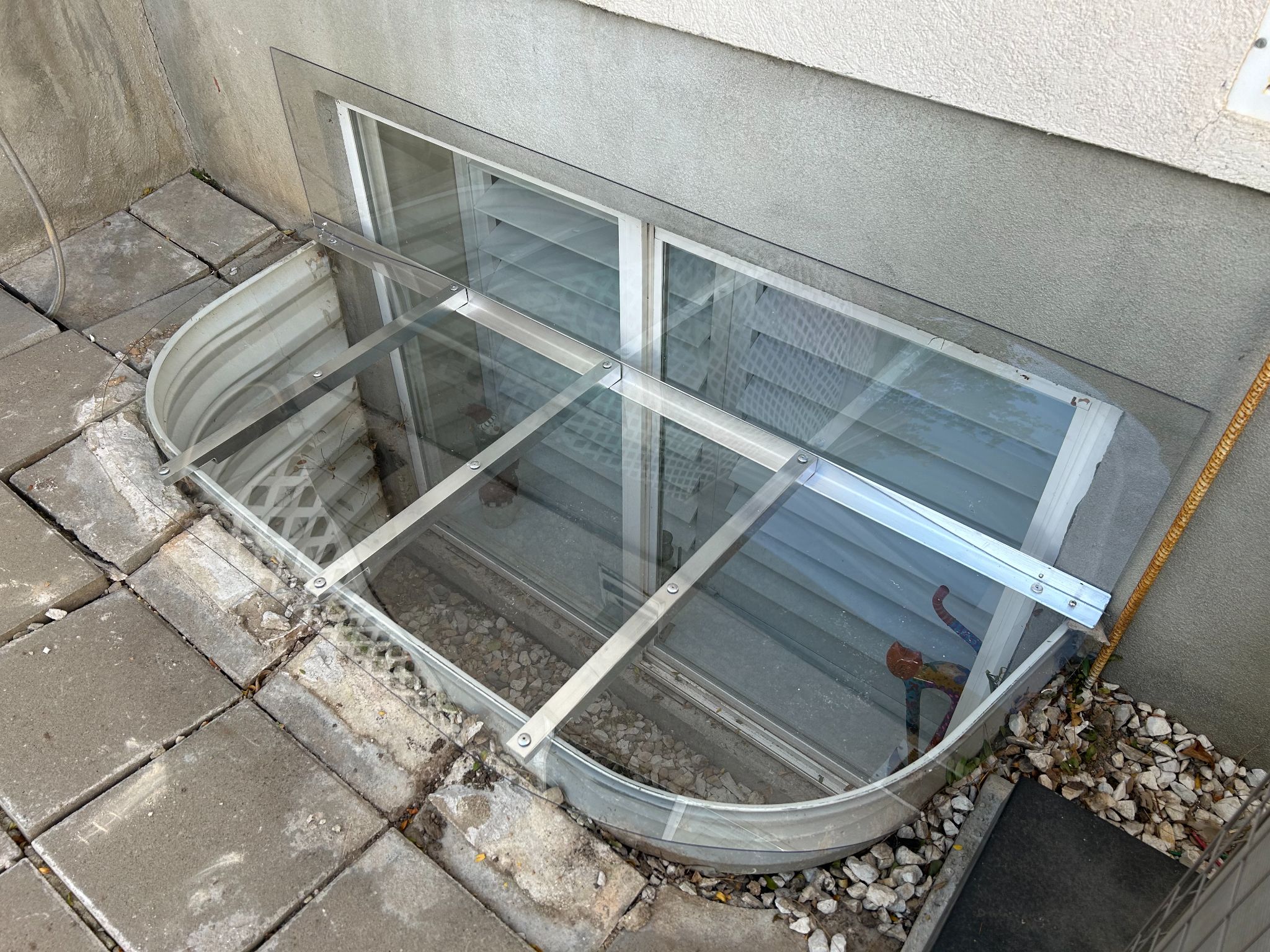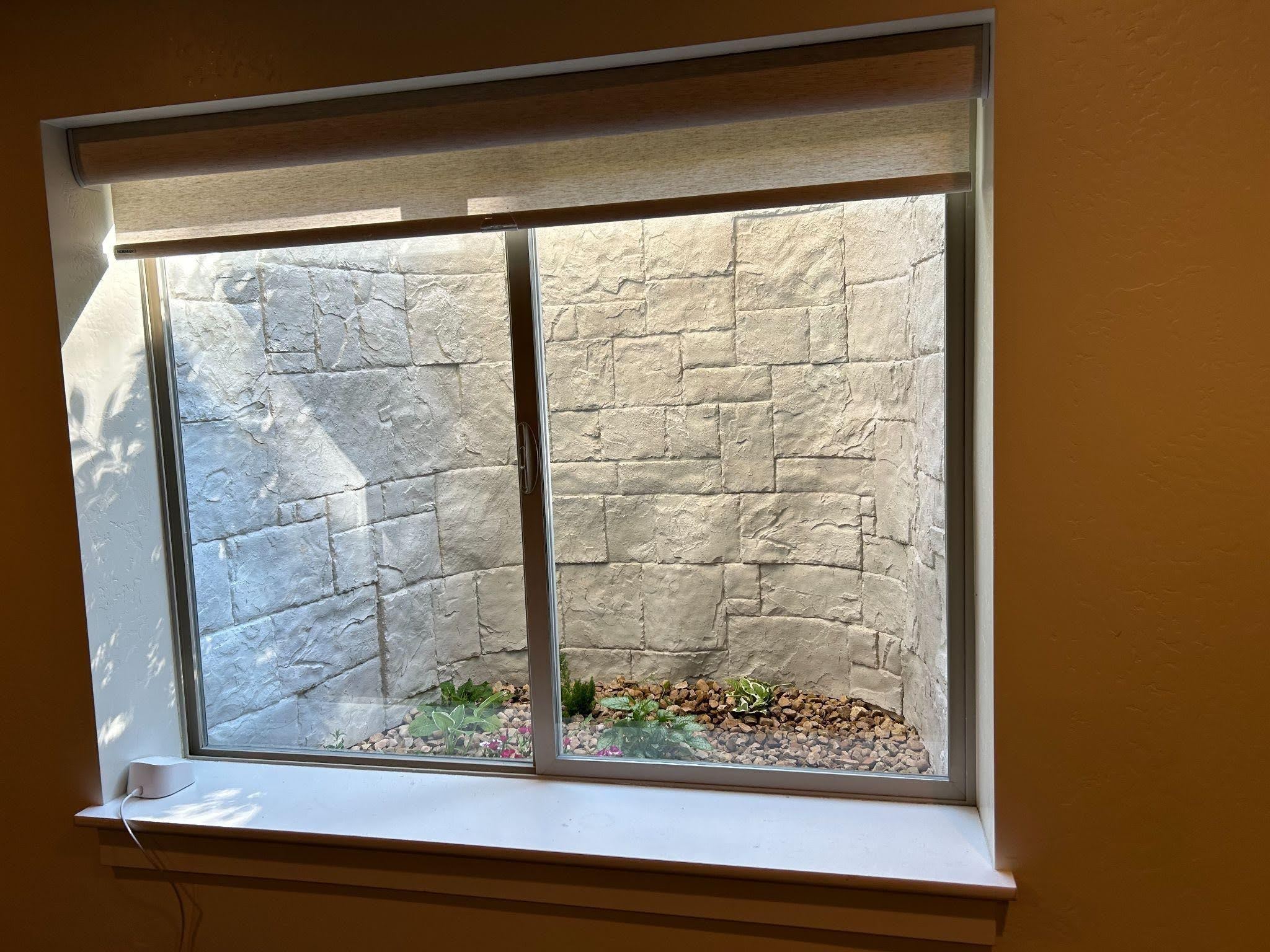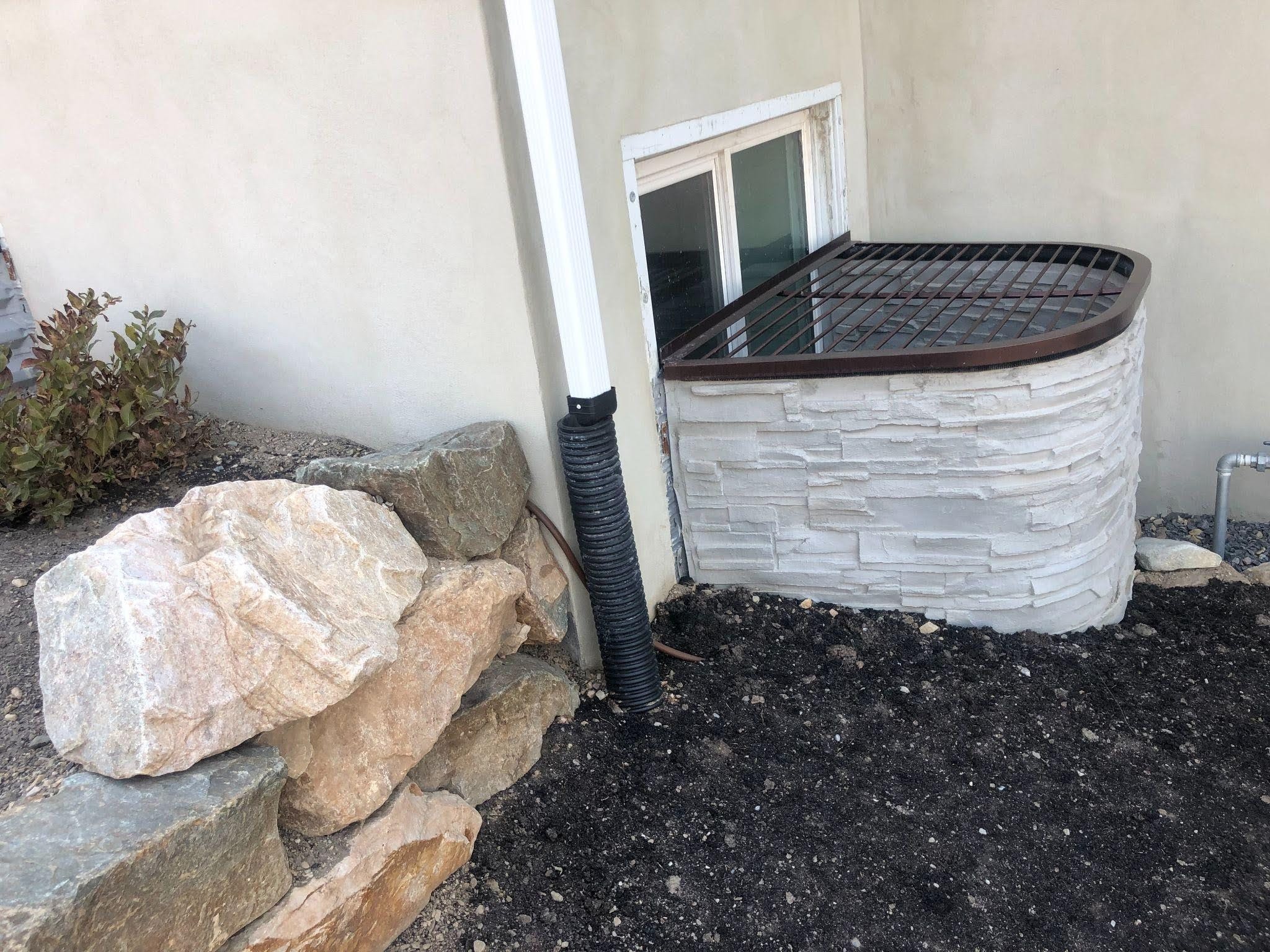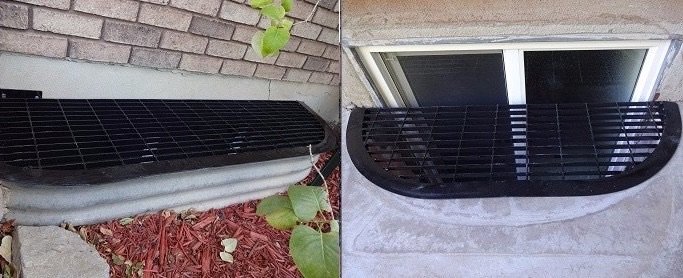
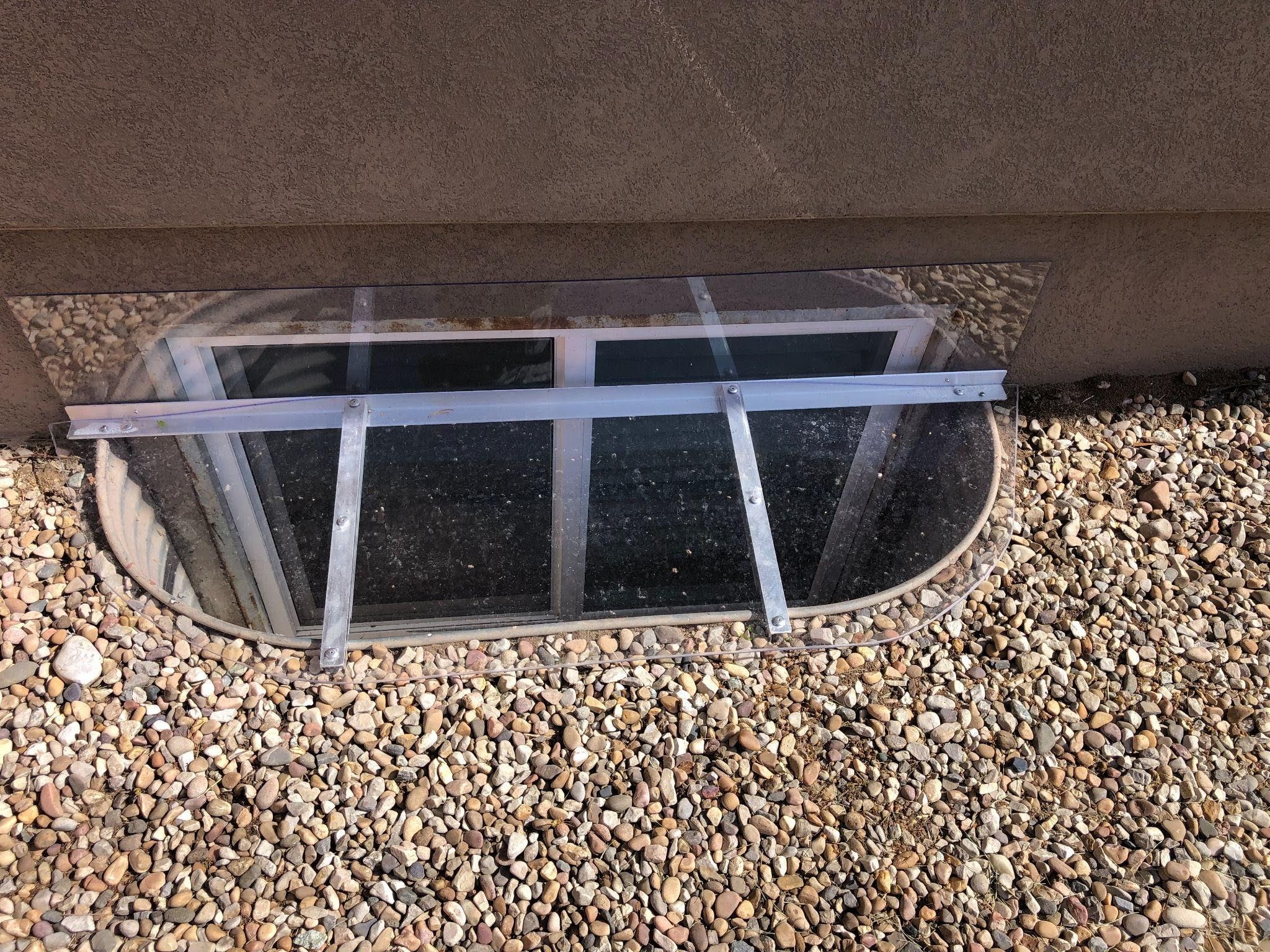
Keeping window wells clean helps prevent clogged drains, standing water, and moisture issues near basement windows. The best approach combines consistent window well maintenance with protection that blocks debris and storm runoff. Many homeowners choose clear window well covers for sealed protection, while others prefer window well grates for a metal look. Whichever you prefer doesn’t matter so long as the window well is cleaned and inspected regularly.
Simple habits that keep window wells clean and working
A sealed, clear cover offers one of the easiest ways to protect a window well, but some homeowners prefer metal grates, and others leave wells uncovered. No matter the setup, the basics stay the same: keep debris out, keep the drain working, and check the well often enough to prevent water problems.
Window wells keep soil away from windows and allow light and air into the basement. Drains help keep the well clear of water, but without protection, debris and gravel build up quickly and clog the drainage system, especially after heavy rain. Routine window well maintenance prevents small issues from becoming bigger ones.
What it means to keep window wells clean
Clean window wells do two things well: they drain water quickly and stay clear enough to let light and air into the basement. That sounds simple, but the well sits in the direct path of windblown dirt, leaves, gravel, and runoff. When debris piles up, it often settles right where it causes the most trouble.
Homeowners typically land in one of three camps:
- They install clear window well covers and want a low-maintenance option that keeps debris out.
- They prefer window well grates for a traditional metal look.
- They leave the well uncovered and plan to clean it often, but this becomes harder to maintain over time.
A cover or grate helps, but nothing replaces routine checks. The goal of window well maintenance is to prevent buildup before it blocks drainage or creates standing water.
Step-by-step window well cleaning checklist
If you’re up to the task, you can handle basic cleaning yourself. The key is consistency and timing, especially after storms.
- Inspect after heavy rain and windTake a quick look after rainfall, windstorms, or heavy leaf fall. Most buildup happens during these events.
- Remove visible debrisPull out leaves, sticks, dirt clumps, and gravel. Debris left in the well often washes downward and collects near the drain.
- Check for standing waterIf you see water sitting at the base, pay attention. Standing water signals a clog, compacted debris, or slow drainage.
- Look at the drain areaYou don’t need to dig deep every time, but you should make sure debris hasn’t formed a mat over the drain zone.
- Confirm your cover or grate sits securelyIf you use clear window well covers, keep the seal snug. If you use window well grates, make sure they stay stable and don’t shift.
- Clean the well walls as neededWipe or rinse off mud and grime when buildup has built up on the surface. This keeps the well looking cleaner and helps you spot changes faster.
- Do a quick drainage test when you suspect a slowdownIf drainage seems slow, pour a small amount of water into the well and watch how quickly it clears. If it lingers, debris or sediment may be blocking the flow.
- Set seasonal remindersEven if you stay on top of storm cleanups, schedule seasonal window well maintenance in spring and fall. That’s when debris and runoff issues tend to show up.
Older homes and common drainage problems
Older homes often use older drainage setups, including plastic drains that tie into weeping tile near the footings. Over time, soil erosion and debris create drainage trouble, especially when wells are dug deep and packed with drainage stone.
A common issue is stone and sediment migrating into the drainpipe and clogging it. Older homes also tend to see faster soil wash-in, heavier debris buildup near trees, and neglected covers or liners. Keep the well clean and draining to protect the basement and foundation.
Benefits of regular window well maintenance
Routine window well maintenance pays off quickly, especially during storm season.
- Helps keep drains clear and reduces the risk of standing water
- Lowers the chance of moisture problems near basement windows
- Keeps the well functional for light and air
- Cuts down on messy cleanups after heavy rain
- Helps you spot issues early, before they become expensive repairs
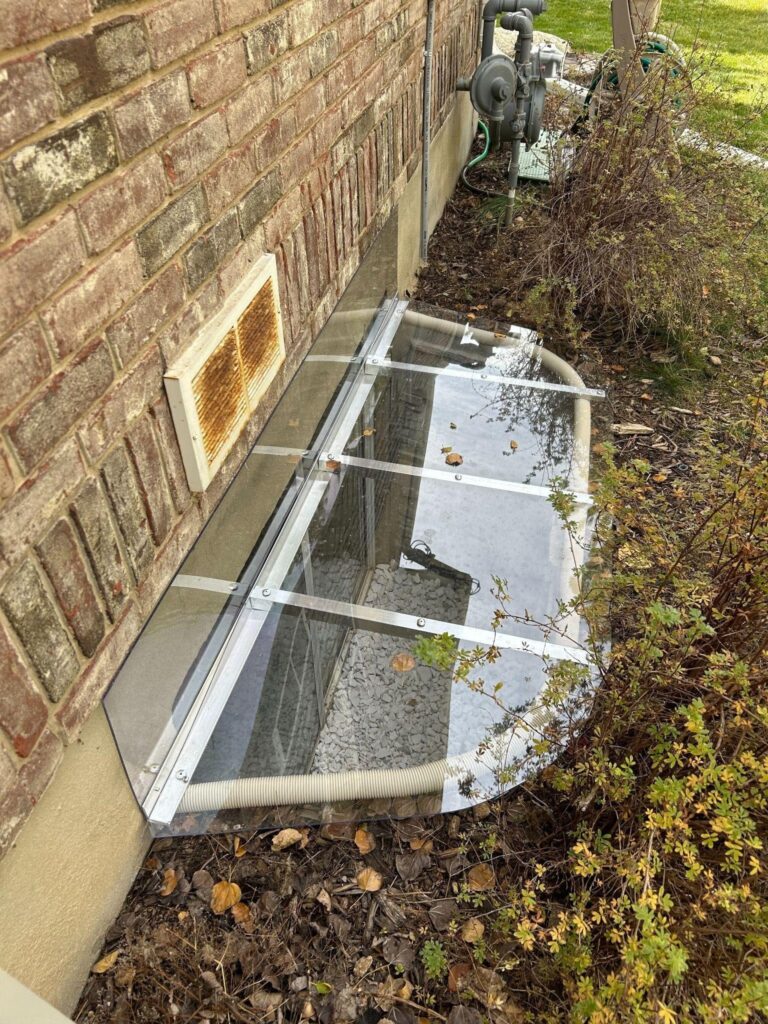
If you want to simplify your routine, installing clear window well covers reduces the amount of debris that enters the well in the first place. If you prefer the metal look of window well grates, you can still keep wells clean, but you’ll want to check for fine debris more often.
Common mistakes to avoid
Avoid these habits that turn a simple feature into an ongoing issue:
- Assuming the drain will “handle it” without checks
- Waiting until water pools to clean the well
- Forgetting that falling leaves clog wells quickly
- Letting gravel and dirt build up until it compacts
- Installing loose protection that shifts during storms
- Treating clear window well covers as “set it and forget it”
- Choosing window well grates and skipping regular debris removal
Data and research insights
A few practical truths explain why window wells get messy fast:
- Storms carry debris and sediment into low spots, and window wells naturally collect it.
- Fine dirt and organic debris clog drainage paths over time.
- Standing water near basement openings raises the risk of moisture issues.
- Preventive cleaning keeps drainage more consistent than reactive cleanup.
Recommended tools and products
You don’t need a full toolbox to keep window wells clean. A few basics cover most situations:
- Work gloves
- Small shovel or scoop
- Bucket or trash bag
- Hand broom or shop vac
- Drain snake for minor clogs
- Replacement gravel or drain rock when the base needs refreshing
FAQ
How often should I clean my window well?
Check after heavy storms, windy days, and leaf fall. Plan seasonal window well maintenance at least in spring and fall, even if the well looks fine from the surface.
Do clear window well covers eliminate maintenance?
No, but they reduce it. Clear window well covers prevent leaves and debris from entering, but you should still check for water, sediment, and any shifting after storms.
Are window well grates better than clear covers?
It depends on what you want. Window well grates offer a metal look and strong protection, while clear covers maximize light and reduce debris from entering. Both options still require basic cleaning and inspections.
What are the signs that my window well drain is clogged?
Watch for standing water, slow draining after rain, or muddy sediment collecting at the base. If water lingers, clear debris and consider calling a professional if the issue returns.
When should I call a professional?
If you notice standing water that doesn’t drain, suspect water damage, or can’t safely clear a blockage, bring in a pro. Drain issues worsen quickly when storms keep repeating.
Protect your window wells with Windowell Expressions
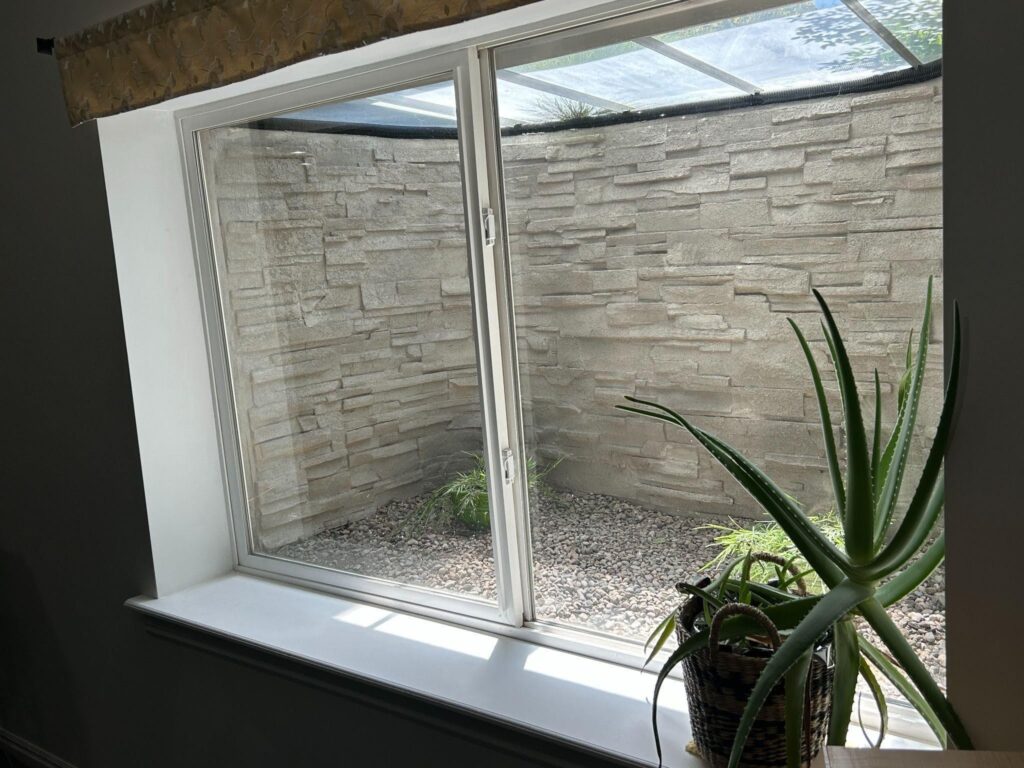
A clean window well protects your basement by keeping water moving away from the foundation and preventing debris from clogging the drain. Keep the well clear, inspect after storms, and stay consistent with seasonal window well maintenance. If you want help selecting clear window well covers or window well grates, or you suspect drainage problems, contact Windowell Expressions to talk with a local expert and request a quote.