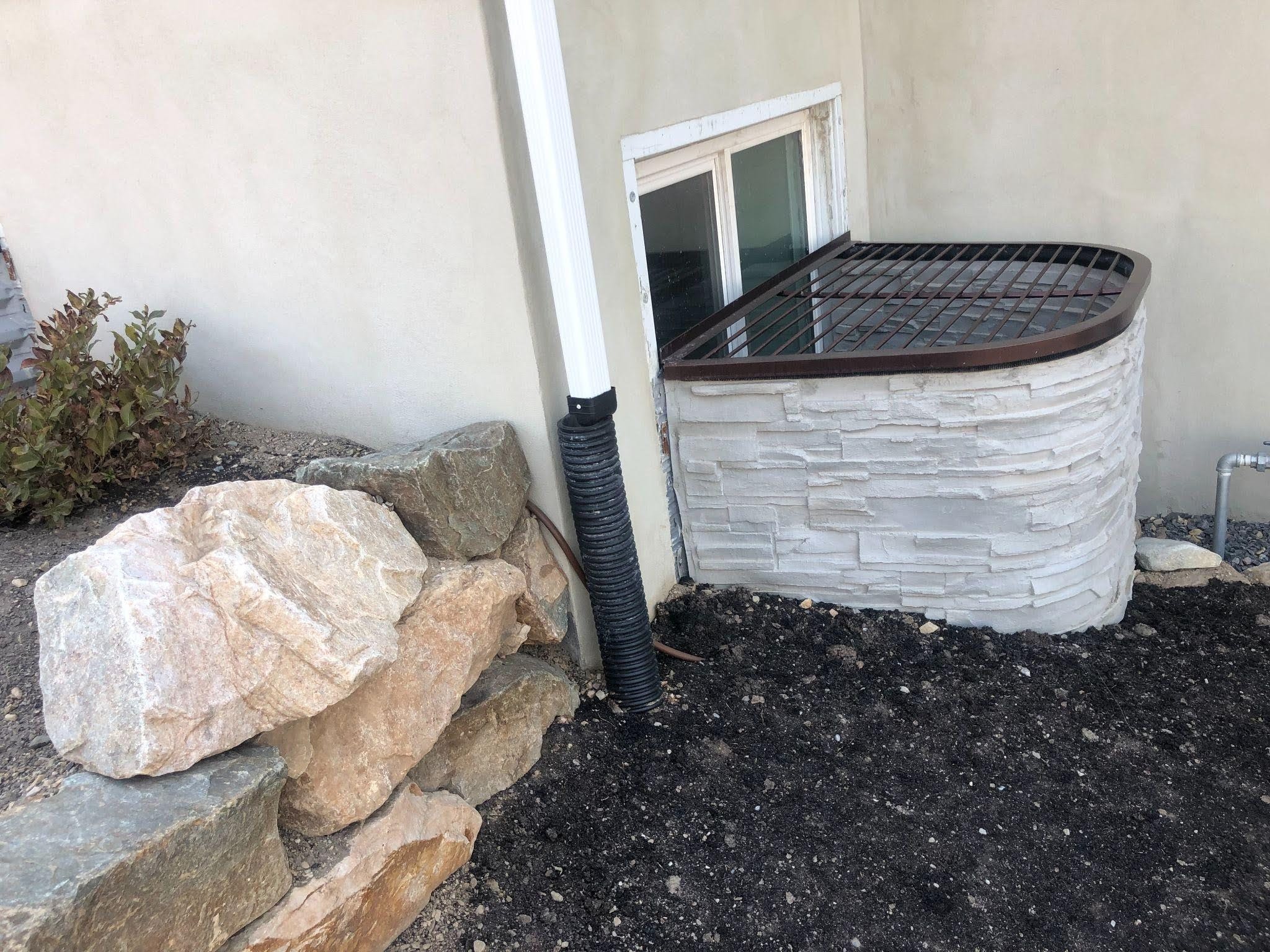
High-quality decorative window well liners are worth the investment because they improve the basement view, help the space feel more finished, reflect natural light, and hold up better against outdoor conditions. When paired with proper drainage and clear window well covers, they make window wells cleaner, brighter, and easier to maintain.
The overlooked detail in a finished basement
A finished basement might have new flooring, fresh paint, good lighting, and comfortable furniture, but it will still feel like it’s missing something if the view through the window gets overlooked. Looking out at corrugated metal, stained concrete, dirt, rust, or debris makes the space feel unfinished.
High-quality window well liners make that view cleaner and more intentional without requiring a full remodel. They help the window area look brighter, more finished, and better suited to how you use your basement. The next step is knowing where liners make the biggest difference and what to look for before choosing one.
Turn an unfinished basement view into a cleaner one
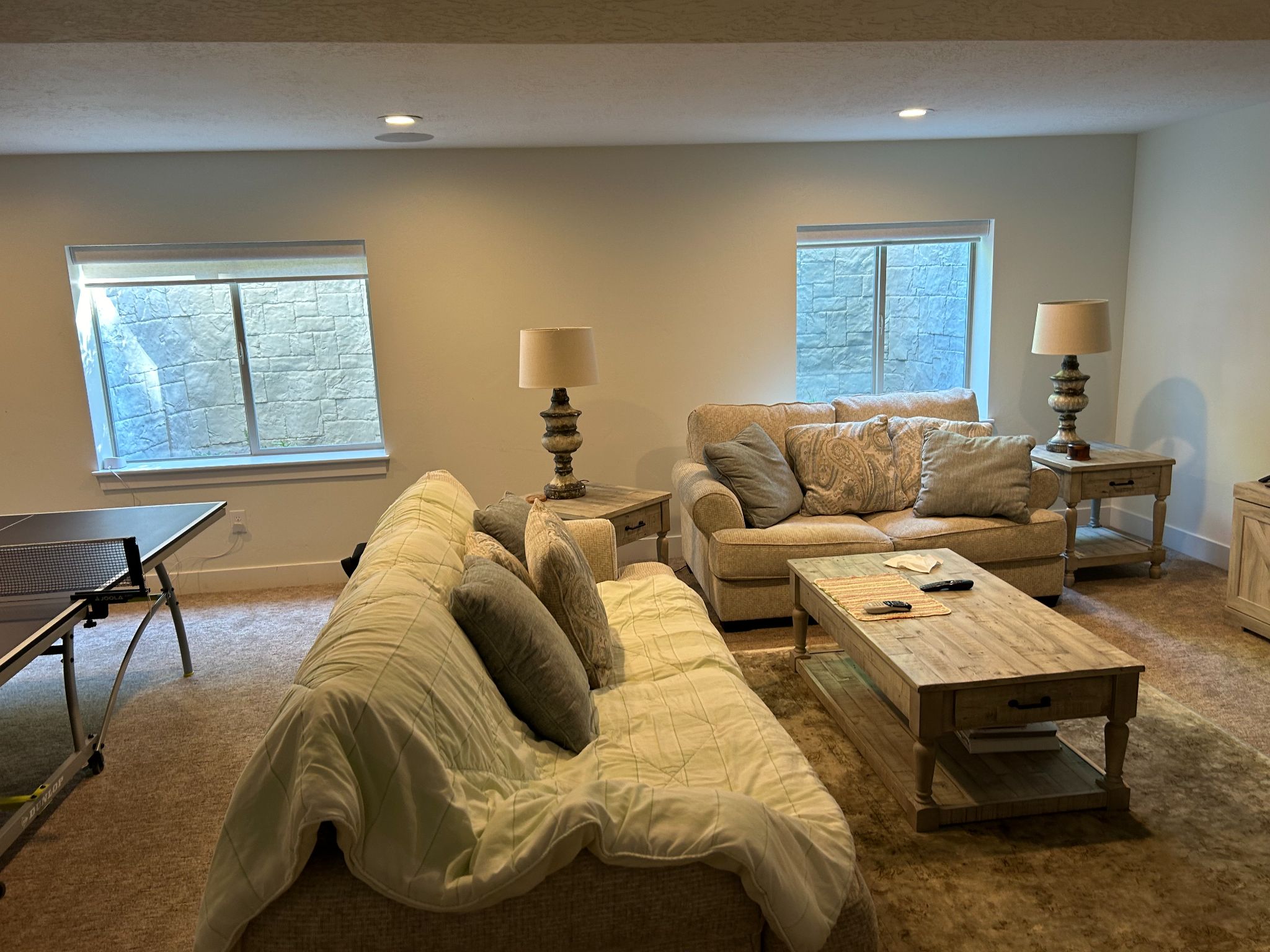
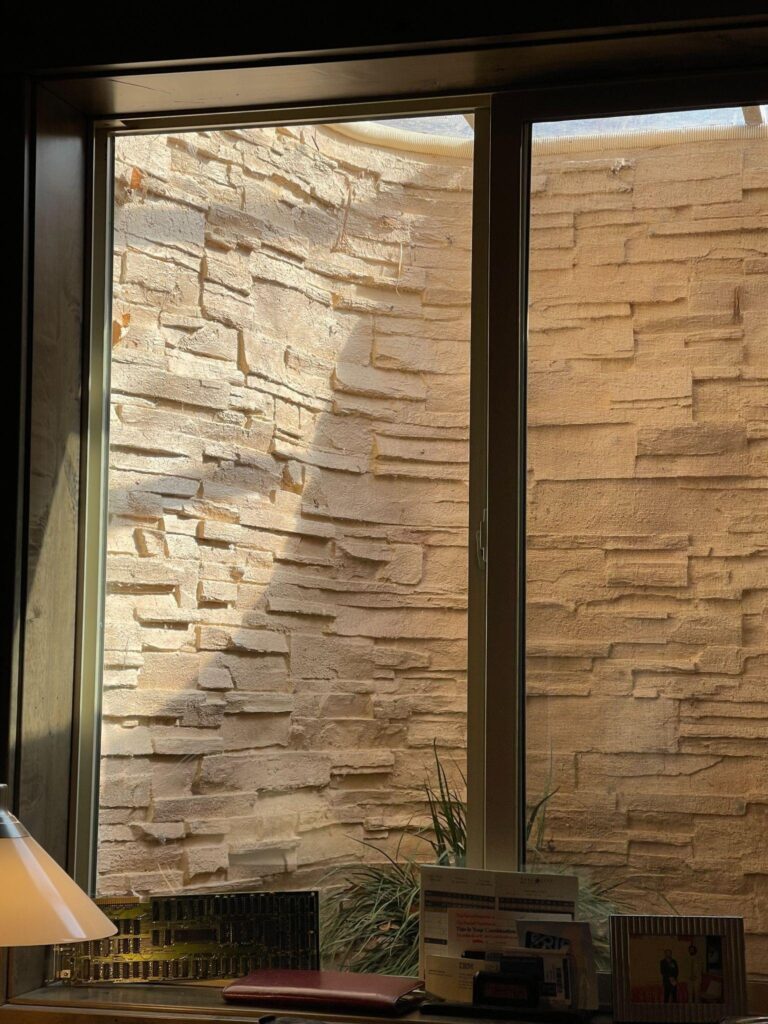
A basement may look clean and comfortable until you glance out the window and see rusted metal, stained concrete, dirt, gravel, or leaves sitting in the well. That unfinished view makes the room feel less cared for, especially in a bedroom, office, family room, or guest space.
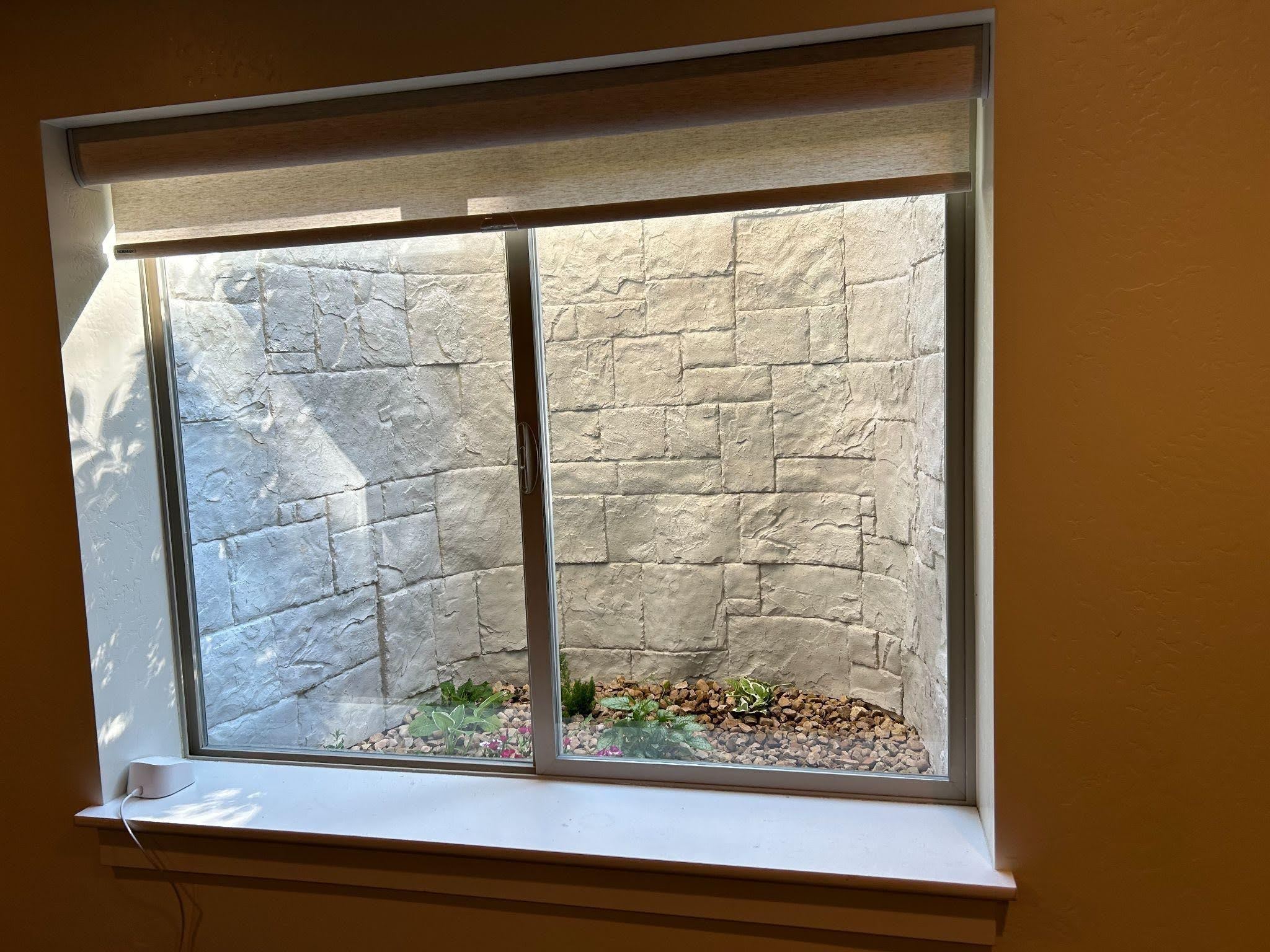
High-quality window well liners provide a cleaner backdrop for that area. Instead of looking at the rough inside of the well, you get a more finished surface that softens the view and helps the window area feel intentional.
They also need to hold up outside. A liner sits through sun, snow, moisture, debris, and seasonal temperature changes, so fit and material quality make a real difference. Liners don’t replace drainage, proper depth, or routine maintenance, but they help the well look cleaner and stay easier to manage as part of a complete window well setup.
How to choose a high-quality window well liner
1. Start with the basement view
Stand inside the room and look through the basement window. Notice whether it brings in light, or whether your eye goes straight to rust, dirt, concrete, or aging metal, especially in everyday spaces like bedrooms, offices, family rooms, guest rooms, and basement apartments.
2. Check the current condition of the well
Before choosing window well liners, inspect the well itself. Look for:
- Standing water
- Sediment buildup
- Rusted or shifting metal
- Stained concrete
- Soil washing into the well
- Loose gravel or blocked drainage
If the well has drainage or depth issues, address those first. A liner improves the view, but it shouldn’t cover up a problem that needs repair.
3. Choose a style that will age well
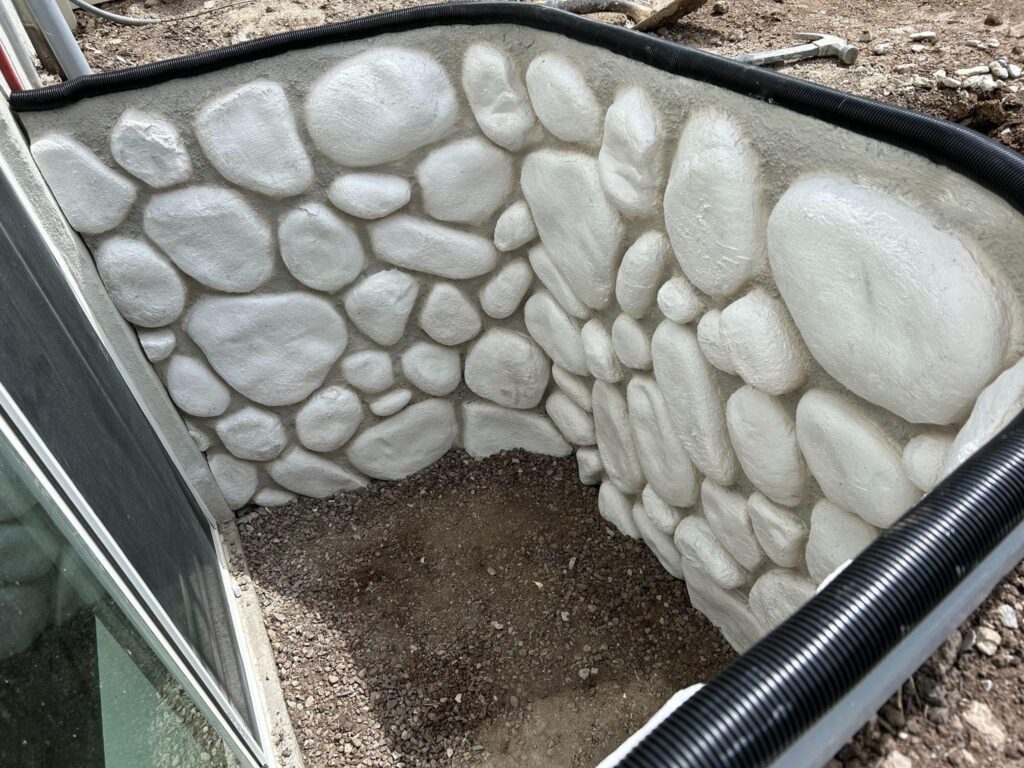
Choose a liner style you’ll still like years from now. Natural textures, stone-look finishes, and clean neutral designs usually work well because they make the window area look finished without feeling busy. Bold novelty designs are fun, but they may feel dated faster or pull too much attention from the room.
4. Prioritize fit and material quality
Choose a liner that fits the well closely and looks clean from inside the basement. If it shifts, gaps, or sits unevenly, the whole window area will look unfinished. Material quality is equally important because the liner needs to withstand sun, snow, moisture, debris, and seasonal temperature changes.
5. Pair liners with practical protection
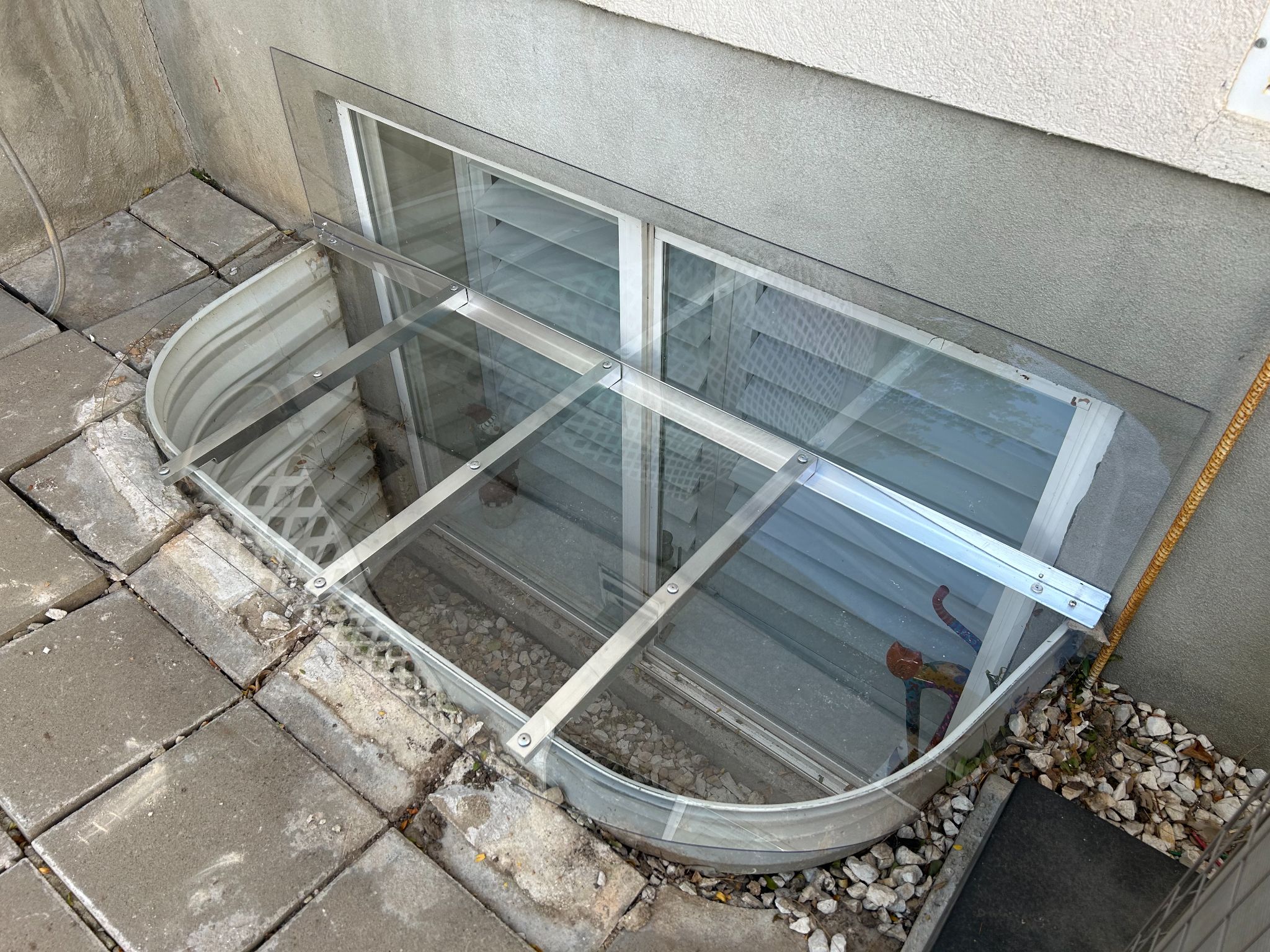
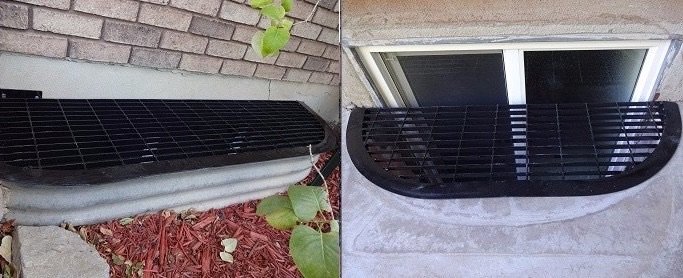
A liner improves the view, and a cover helps keep that view cleaner. Clear window well covers help block leaves, snow, debris, and runoff while still letting natural light into the well. Together, they help the window area look better and stay easier to maintain.
6. Think about maintenance before installation
Even high-quality liners need basic upkeep. You should still check for debris, standing water, shifting, and sediment buildup after storms and seasonal changes. Better products make the space easier to manage, but no liner should be treated as a “set it and forget it” upgrade.
Benefits of investing in better decorative liners
High-quality liners are about more than appearance. They support the way you actually use and maintain basement spaces.
Key benefits include:
- Cleaner basement view: Liners cover exposed metal, concrete, rust, dirt, and stains.
- More finished feel: The window area looks more intentional and less like an exterior utility space.
- Better light experience: A cleaner, lighter surface helps the window area feel brighter.
- Stronger durability: Better products are more likely to hold up against outdoor exposure.
- Less visual clutter: A consistent backdrop looks cleaner than a rough, aging well.
- Better fit for finished basements: Liners are especially useful in bedrooms, offices, playrooms, and rentals.
- Smarter product pairing: Decorative liners work well with drainage maintenance and clear window well covers.
- Better long-term value: Investing in quality reduces the chance of early replacement or disappointment.
Common mistakes to avoid when investing in window well liners
1. Choosing only by appearance
A liner should improve the look of the window well, but it also needs to fit well, withstand the elements, and be easy to maintain.
2. Ignoring drainage problems first
Liners don’t fix standing water, clogged gravel, poor grading, or slow drainage. Handle water issues before focusing on the decorative upgrade.
3. Buying low-quality products
Lower-quality liners may fade, crack, warp, or shift sooner because they are exposed to sun, snow, moisture, and changing temperatures.
4. Forgetting the inside view
The best design choice should be made from inside the basement. That’s where you’ll most often see the liner.
5. Leaving the well uncovered
Leaves, snow, dirt, and debris quickly make a new liner look messy. Clear window well covers help protect the space while allowing light to pass through.
6. Expecting liners to replace maintenance
Window well liners improve the look of the well, but you still need seasonal checks after storms, snow, wind, and spring runoff.
What to know before upgrading
Window wells connect appearance, safety, and moisture control, so decorative upgrades should work with the full window well setup.
- Keep egress access clear. Window wells should allow the basement escape window to fully open. If a well is deeper than 44 inches, it generally needs a permanently attached ladder or steps.
- Plan around drainage. Moisture guidance points to drainage, foundations, walls, and maintenance as key parts of reducing water issues.
- Remember that snow becomes water. Snow that builds up in or around a window well can turn into meltwater during warm spells, so covers, drainage, and seasonal checks all play an important role.
- Use weather as a maintenance cue. Snow, runoff, wind, and storm cycles are good reminders to keep window wells clear, covered, and easy to inspect.
Simple tools and upgrades that help liners last
A few basic tools help keep your decorative window well liner clean and protected.
Helpful maintenance tools:
- Work gloves
- Small broom or soft brush
- Bucket or scoop
- Shop vac for dry debris
- Flashlight
- Tape measure
Helpful upgrades:
- High-quality decorative window well liners
- Refreshed drain rock or gravel when needed
- Secure egress ladder or steps when required
- Clear window well covers to reduce debris and snow entry
- Professional measurement and installation for a cleaner fit
FAQ
Are decorative window well liners worth it?
Yes, especially in finished basements where the window well is visible every day. They improve the view, help the room feel more complete, and make the window area look cleaner.
Do liners help make a basement brighter?
They help the window area feel brighter, especially when the liner has a lighter or more reflective finish. They won’t replace natural light, but they improve how the window area feels.
Can liners fix drainage problems?
No. Liners improve appearance, but drainage problems need to be handled separately. Standing water, clogged gravel, poor grading, or sediment buildup should be addressed before or during installation.
Should I pair liners with covers?
Yes. That’s usually a smart combination. The liner improves the view, while a fitted cover helps keep leaves, snow, and debris out of the well.
What style of liner is best?
Most of the time, you’ll do well with a natural, neutral style that won’t feel dated quickly. Stone-look and clean textured options often work well because they look finished without feeling too busy.
Why Windowell Expressions recommends quality from the start
High-quality decorative window well liners give basement windows a cleaner, brighter, more finished look without a full remodel. The best results come from the right fit, durable materials, proper drainage awareness, and a protective cover that helps keep debris out. Contact Windowell Expressions to schedule a consultation or request a quote for liners and covers that fit your home.