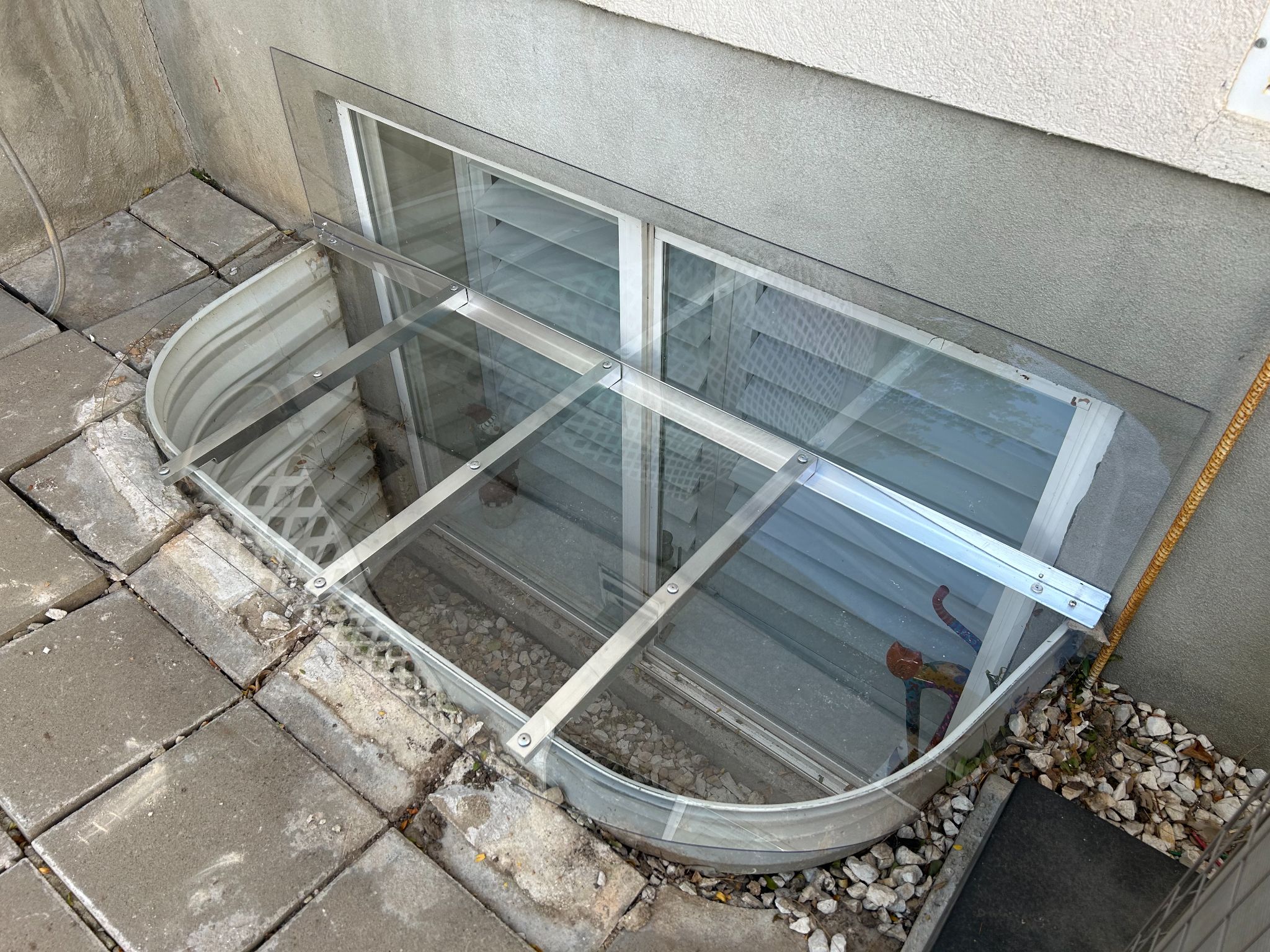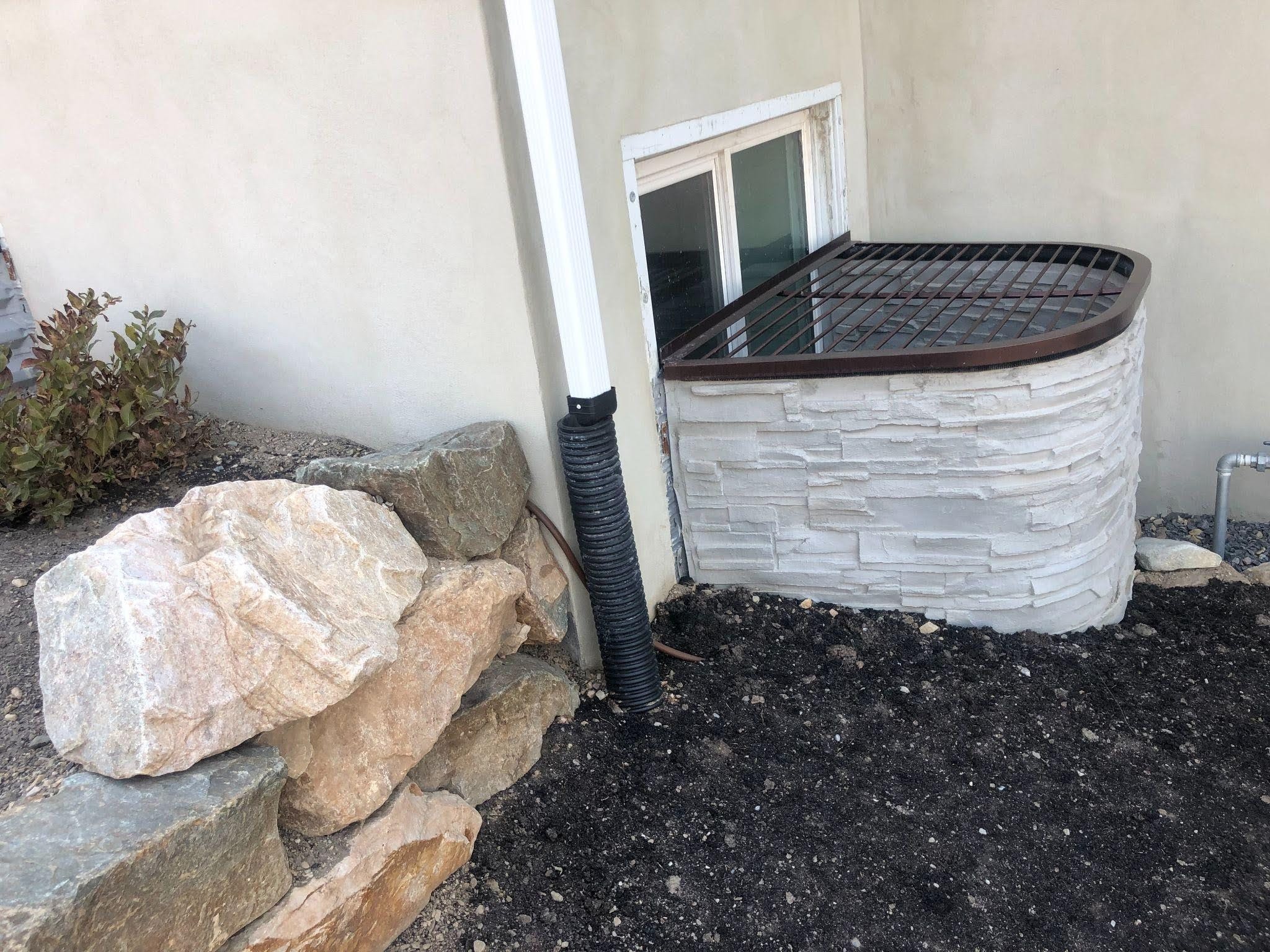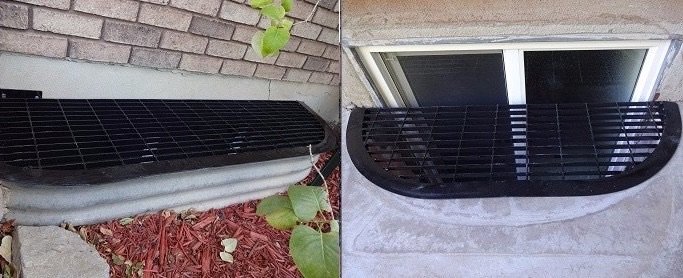
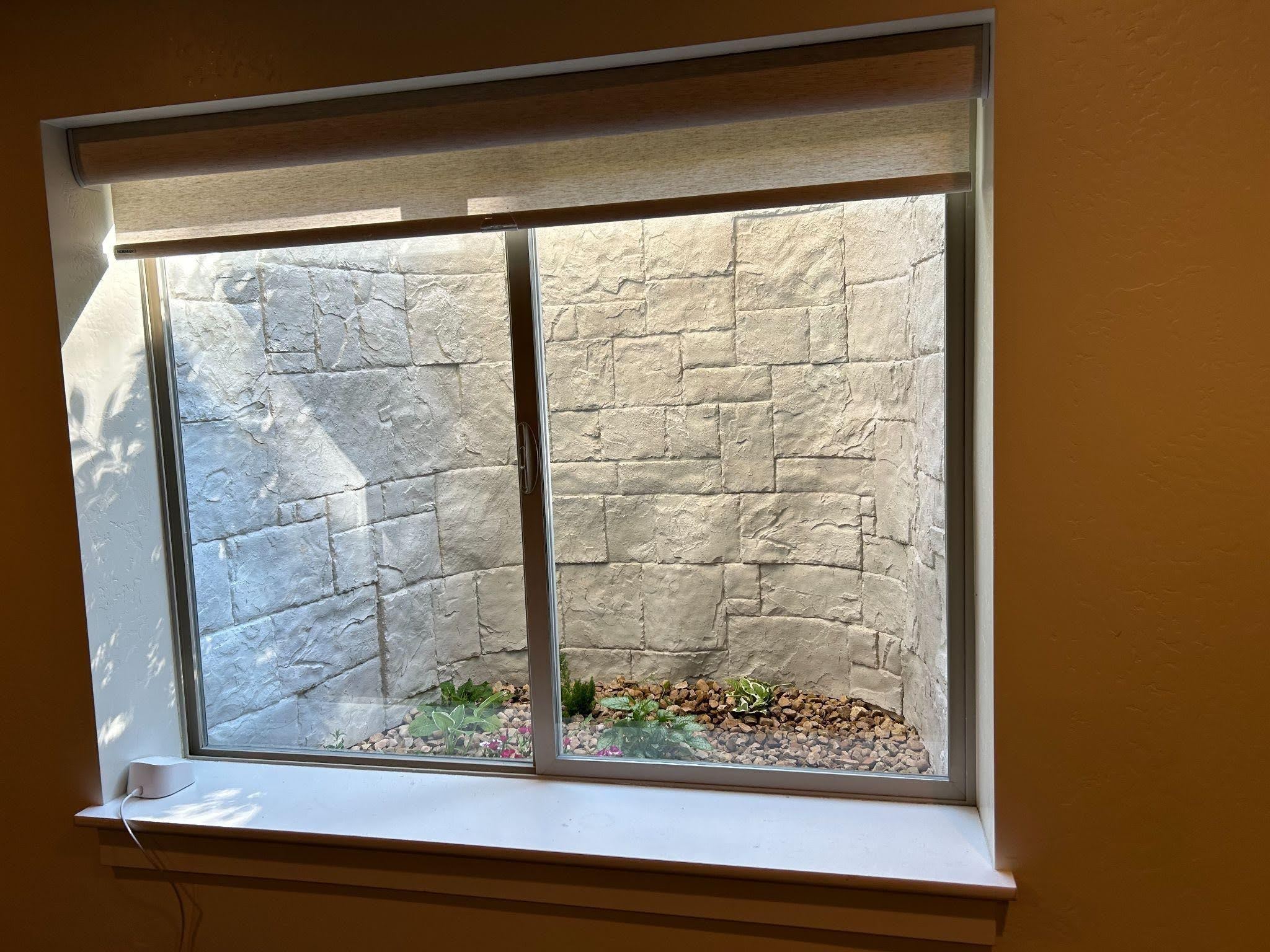
Window wells are important because they keep soil away from basement windows, bring in natural light, support fresh air, facilitate emergency escape, and divert water away from the foundation when installed and maintained properly. A strong setup may also include a window well liner, secure drainage, and window grate covers.
Why that space outside your basement window matters
At first glance, a window well may look like a small pit on the side of your home. It might even feel like something you’d rather hide. But it’s actually really important.
Window wells help protect windows, provide below-grade rooms with access to light and air, enhance basement safety, and help manage water around the foundation. With the right maintenance and upgrades, your window will be cleaner, safer, and more useful year-round.
Why basement windows need a well
Basement windows often sit partly or fully below ground level. A well creates an open space around that window so soil, landscaping, and debris don’t press directly against the glass, frame, or opening.
A well-built setup also supports drainage. Instead of letting water sit directly against the basement window, the well should include a drainage layer and a clear path for water to move away from the home. Covers, window well liners, and window grate covers make that setup easier to protect and maintain.
How a well supports safety, light, air, and drainage
It supports emergency escape
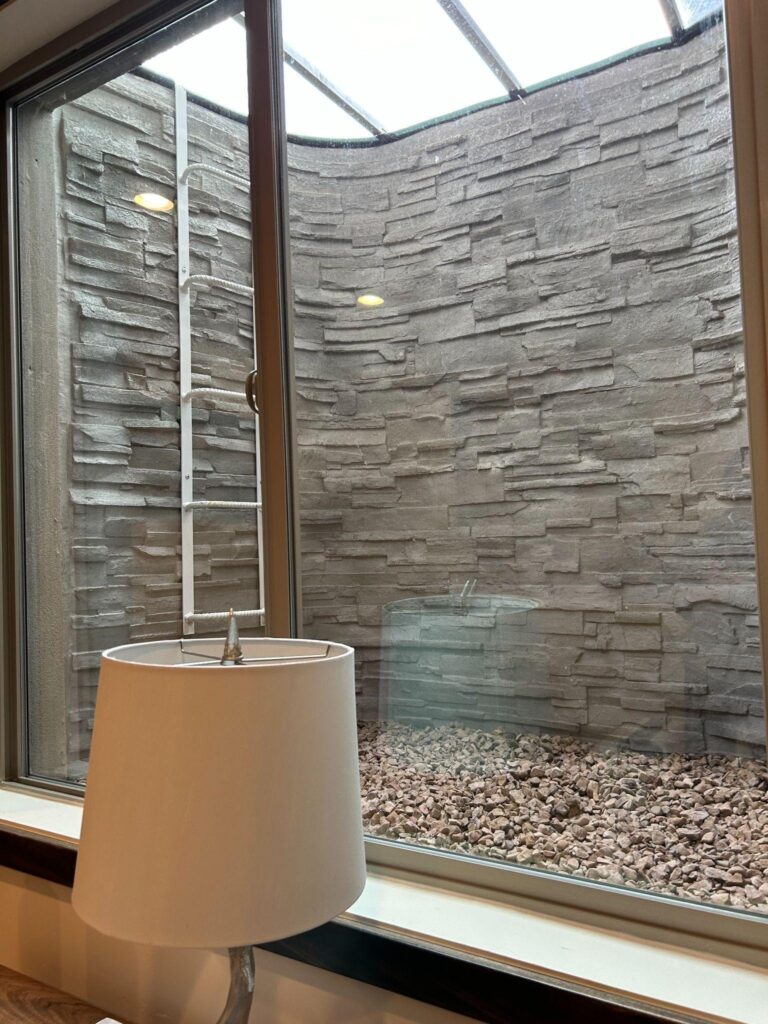
Basement windows provide an escape route, but only if they open fully and the surrounding space stays clear. Snow, leaves, dirt, stored items, and overgrown landscaping all reduce usable space. If the well is deep, a ladder or steps may also be needed.
It helps meet basement requirements
Finished basements, especially basement bedrooms, may need emergency escape and rescue openings. Requirements vary by city and project type, so homeowners should check local rules before making changes. The main goal is simple: Keep the window clear, accessible, and usable.
It brings in natural light
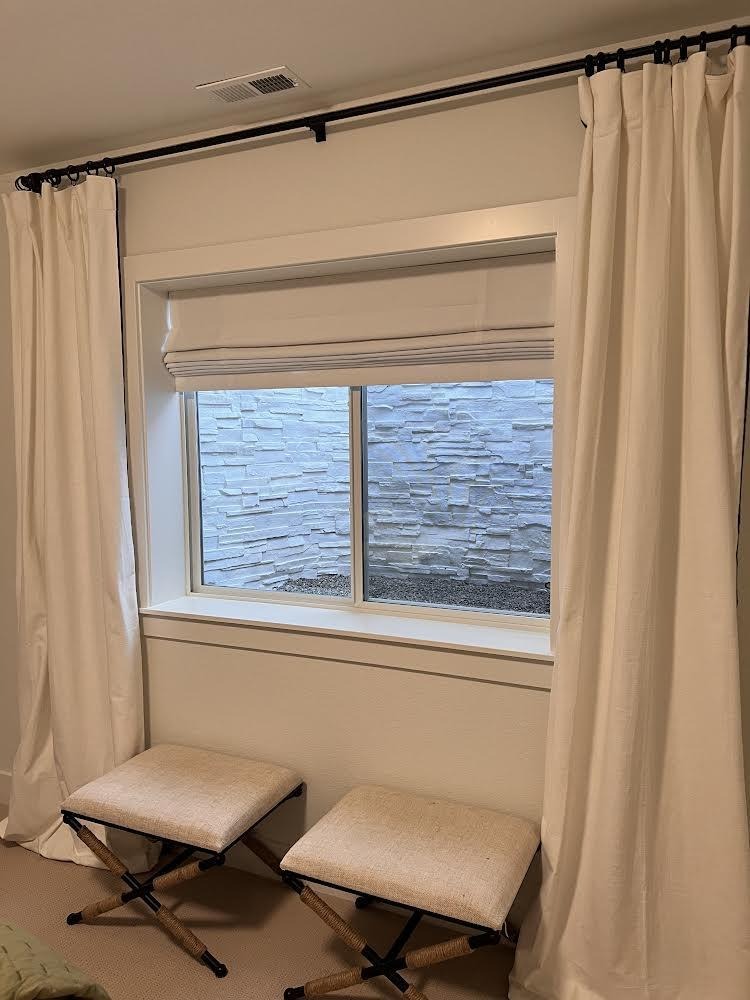
A clean, open well helps daylight reach below-grade rooms. A window well liner also improves the view from inside by covering corrugated metal, concrete, dirt, or rust with a cleaner finished surface.
It allows fresh air
When the window opens properly, the well gives fresh air room to move into the basement. That makes below-grade spaces feel less closed off during mild weather.
It helps the drainage work
A properly installed well helps move water away from the basement window. Drain rock, gravel, grading, and clear drainage paths all help. Debris and sediment slow that process, while window grate covers help reduce larger debris.
What happens when homeowners ignore the window wells
Standing water after rain or snowmelt often points to clogged drainage, poor grading, or sediment buildup. Check standing water before it reaches the basement window.
Snow, leaves, dirt, and debris also reduce light, block emergency access, and make the well harder to maintain. During warm spells, packed snow melts and collects near the window.
A rusty, stained, or rough-looking well makes basement rooms feel darker or unfinished. A window well liner creates a cleaner backdrop, while properly fitted covers or grates help reduce debris and safety concerns.
Older wells may show rust, shifting, loose covers, soil wash-in, or damaged parts. Inspect these signs early before the problem gets worse.
Benefits of keeping your well in good shape
A clean, functional well makes a real difference for the home and the people using the basement.
Key benefits include:
- Keeps basement windows usable
- Keeps egress windows accessible in an emergency
- Brings more daylight into below-grade spaces
- Allows fresh air when the window opens
- Helps move water away from the basement windows
- Reduces debris buildup with the right protection
- Makes finished basements feel cleaner and more cared for
- Helps homeowners spot drainage or maintenance issues earlier
A well-maintained well doesn’t need to be complicated. It simply needs to stay clear, drain properly, and support the way the basement window is supposed to function.
Common mistakes homeowners make
Assuming the well works because it exists
A well still needs clearance, drainage, and maintenance. If it fills with debris or water, it can’t do its job well.
Letting leaves and sediment build up
Organic debris, dirt, and gravel accumulate at the base, slowing drainage. Clean the well after storms, wind, and heavy leaf fall.
Ignoring snow around the basement windows
Snow blocks light, reduces emergency access, and turns into meltwater during warm spells. Clear snow around the rim and check the well after major storms.
Choosing appearance upgrades before checking drainage
A window well liner or cover can improve the space, but homeowners should first fix water issues. Don’t cover up standing water, clogged gravel, or poor grading.
Using loose or poorly fitting protection
Covers and grates should fit securely and stay stable. Poorly fitted protection can shift, let debris in, or fall short of the safety benefit homeowners expect.
Forgetting to inspect from inside the basement
Sometimes the first warning signs show up inside. Watch for damp trim, reduced light, drafts, musty smells, or a window that doesn’t open smoothly.
Safety and drainage facts homeowners should know
- Emergency access needs clearance. Basement escape windows should open fully, and wells deeper than 44 inches generally need a permanently attached ladder or steps.
- Drainage protects the foundation. EPA moisture guidance points to site drainage, foundations, walls, and maintenance as key parts of reducing moisture problems.
- Snow turns into water. Snow around a well melts during warm spells, making covers, drainage, and seasonal checks important.
- The weather should guide maintenance. Snow, runoff, wind, and storm cycles are good reminders to keep wells clear, covered, and easy to inspect.
Tools and products that support better window wells
The right tools and upgrades help homeowners keep wells clean, safe, and easier to manage.
Helpful maintenance tools:
- Work gloves
- Small shovel or scoop
- Bucket
- Broom or soft brush
- Shop vac for dry debris
- Flashlight
- Tape measure
FAQ
What is the main purpose of a window well?
A well keeps soil away from a below-grade basement window while helping with light, airflow, egress, and drainage.
Do all basement windows need window wells?
Basement windows below grade usually require space around the opening. Egress rules depend on the room, window type, and local building code.
How do wells help with safety?
They give the basement windows room to open and serve as an exit. The well must stay clear of snow, debris, and stored items.
Can a window well help with water problems?
Yes, if it has proper drainage, clean gravel, and good grading. Standing water may point to clogs, sediment, or runoff issues.
What upgrades make wells easier to maintain?
Window grate covers, liners, drainage material, and ladders or steps help. Window well liners improve the view, while grates reduce debris and add protection.
Protect your basement with Windowell Expressions
A window well supports safety, light, airflow, drainage, and basement protection when properly installed and maintained. If your well needs a cover, liner, grate, ladder, dig out, or replacement, contact Windowell Expressions to request a quote or schedule a consultation.