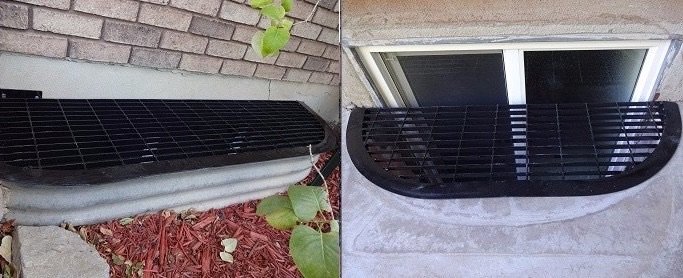
Choosing between clear window well covers and window well grates comes down to what you want your window well cover to do. Clear covers usually offer better protection from debris, pests, snow, and rain, while grates allow more airflow and an open feel. The right option depends on safety, maintenance, appearance, and basement protection.
Comparing clear covers and grates for safety and protection
If you’re deciding between a clear cover and a grate, you’re not alone. Both help improve safety around a window well, but they work in different ways. When comparing clear window well covers and window well grates, look at light, ventilation, debris control, drainage, appearance, and how well each option helps keep out pests and small animals.
What’s the difference between clear covers and grates?
Most homeowners want a cover that improves safety, keeps the area cleaner, and gives the yard a more finished look. That’s the main difference between clear covers and grates.
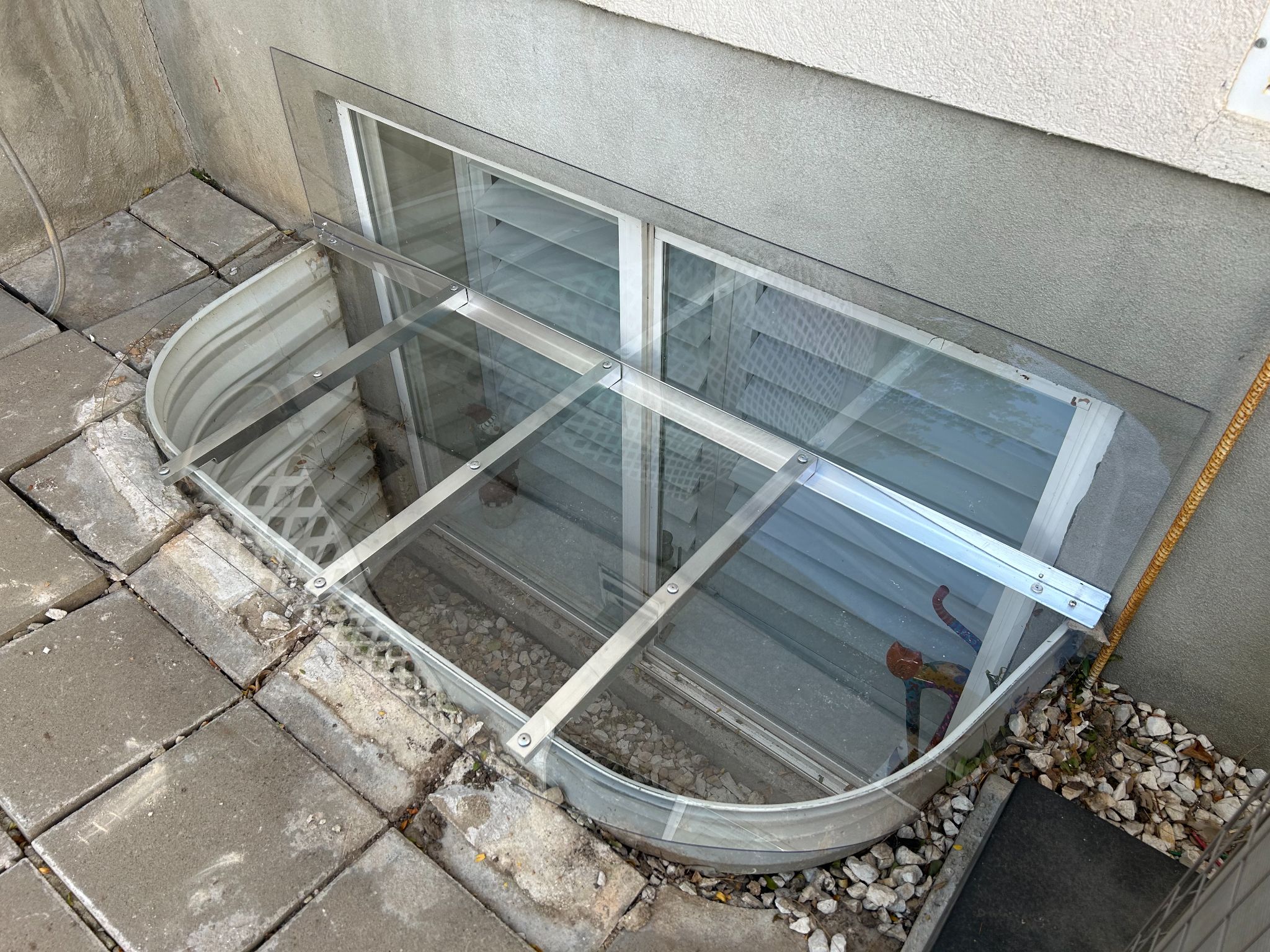
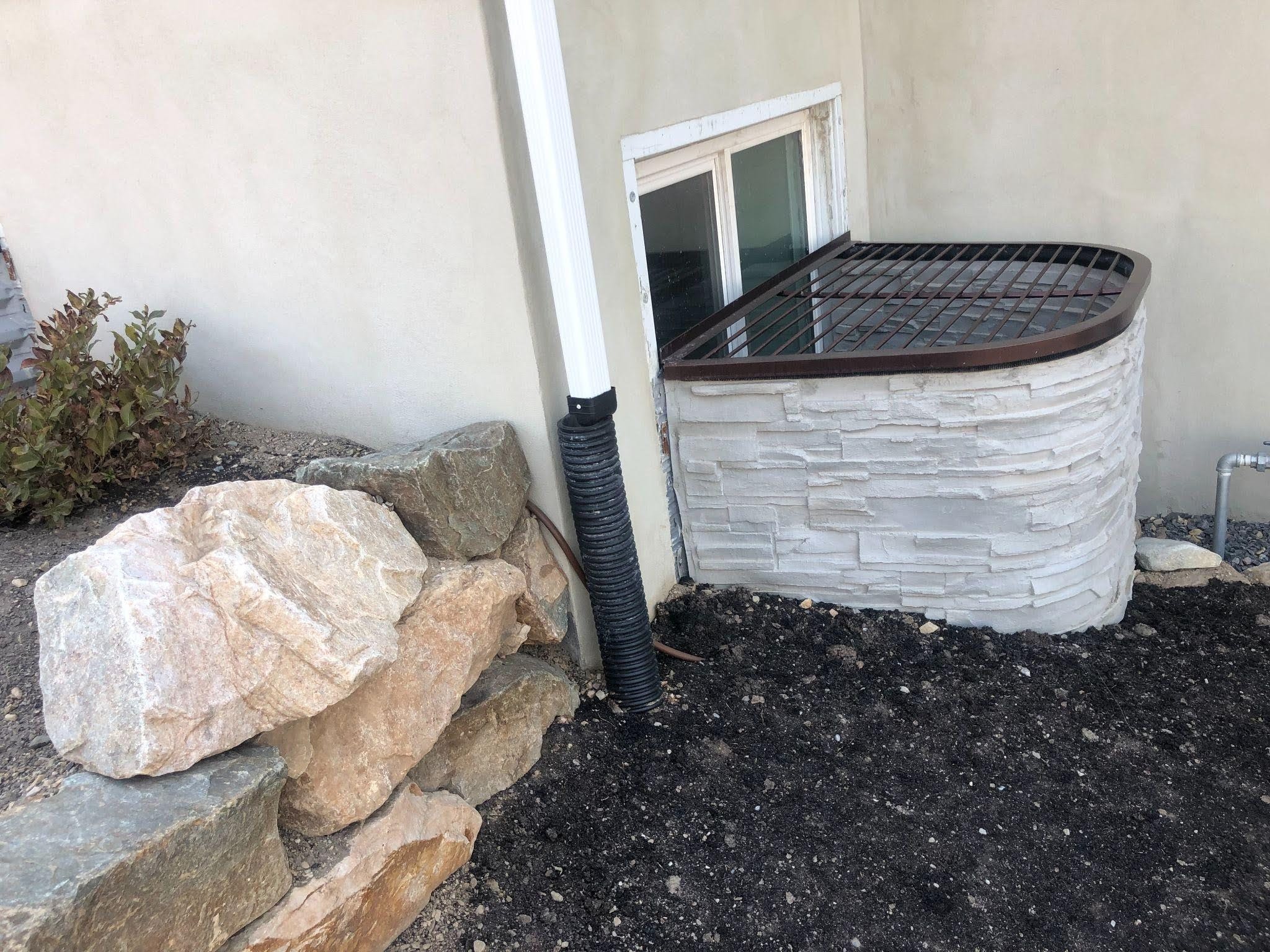
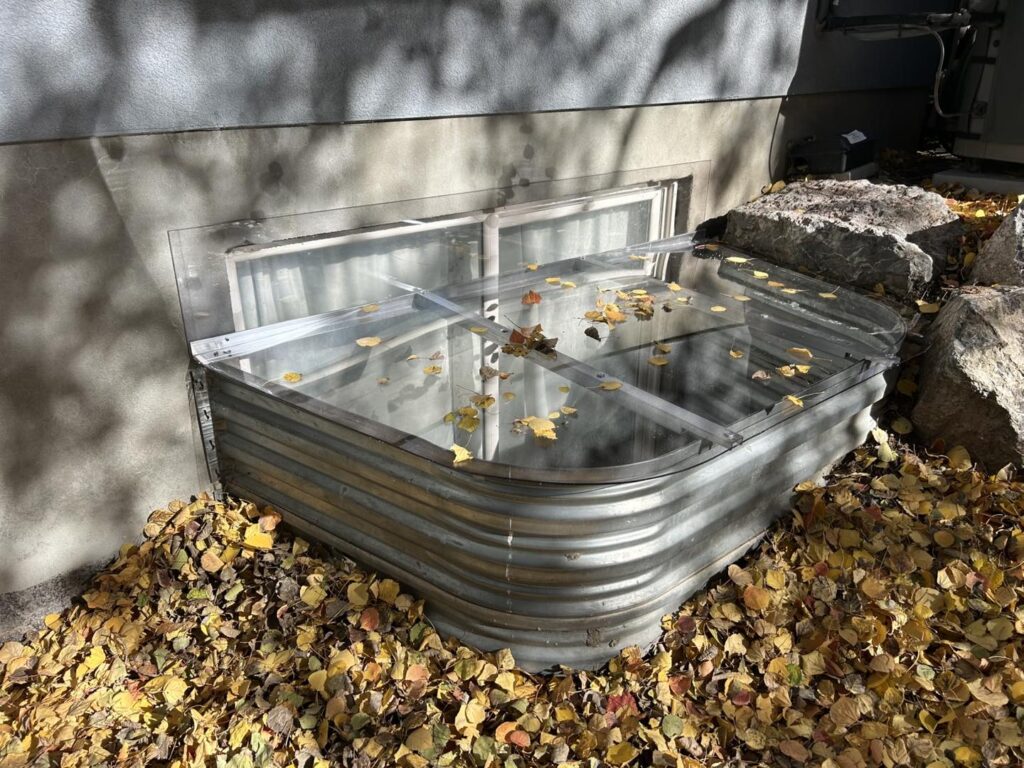
Grates have an open design that allows more airflow and offers a simple, functional look. Clear covers provide more complete coverage, which helps keep out leaves, rain, snow, insects, and small animals while still letting sunlight into the basement.
Step-by-step: how to choose the right option
Step 1: Start with your biggest concern
Before choosing a cover, think about what matters most. Some homeowners focus on safety for kids and pets, while others want better debris control, improved curb appeal, or a lower chance of pests settling into the well.
Step 2: Consider airflow and access
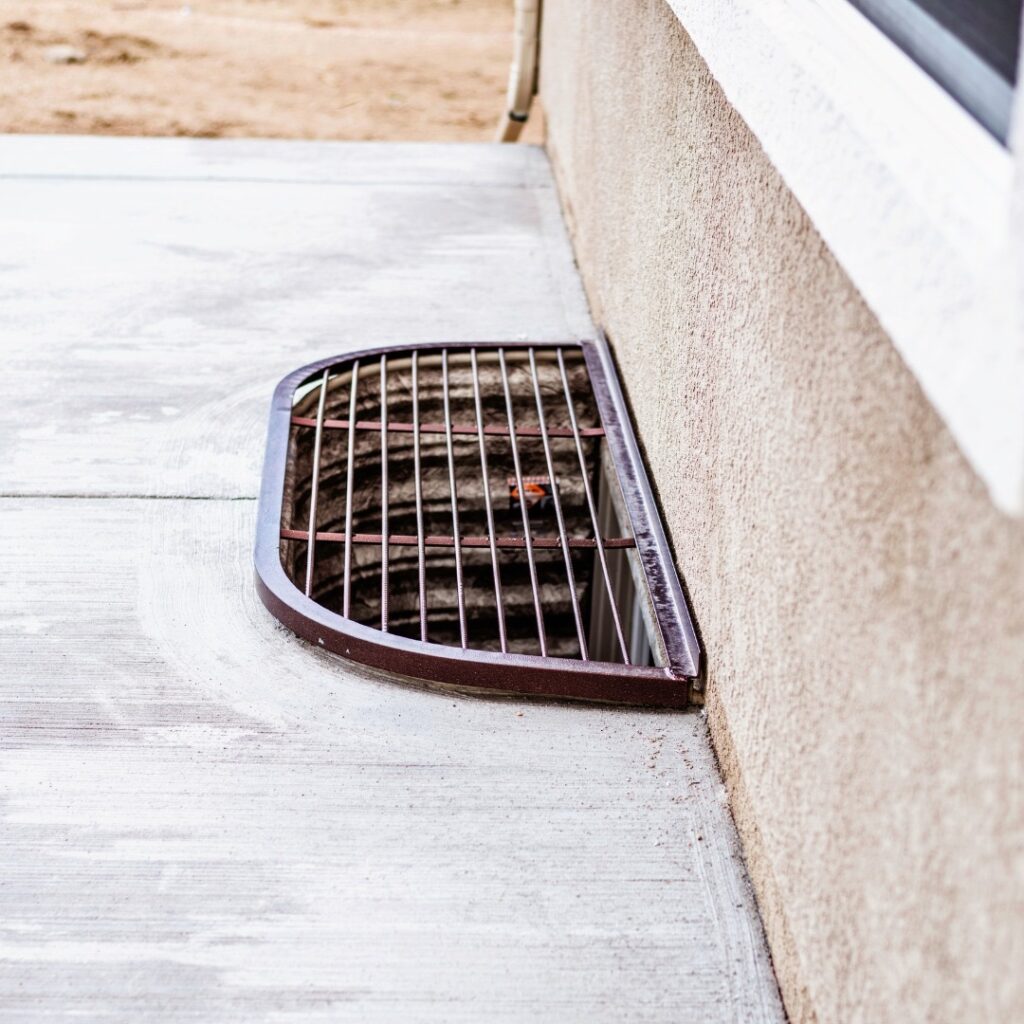
Window well grates are often a good fit if ventilation and a more open design matter most. Their slatted design allows airflow, making the well feel less enclosed.
Step 3: Think about weather and cleanup
If your yard collects leaves, snow, rain, or blowing debris, coverage becomes more important. A solid cover usually keeps more material out of the well, which means less cleanup and easier maintenance.
Step 4: Look at safety and appearance
Both options improve safety, but a solid cover offers more complete protection for small feet and paws. It also gives the window well a cleaner, more finished look from the yard.
Choosing based on your home’s needs
If you have kids or pets, clear window well covers often make more sense because they provide a more complete barrier. If airflow is your top priority, window well grates may be the better fit.
For homes that deal with leaves, snow, pests, or regular yard debris, a clear cover usually has the advantage because it creates more separation from the outside. If curb appeal matters most, a clear cover also gives the yard a cleaner, more finished look.
Why the right cover matters
Choosing the right cover matters because it affects safety, maintenance, appearance, and long-term basement protection.
Benefits of clear covers
- Help block debris, rain, snow, and small animals
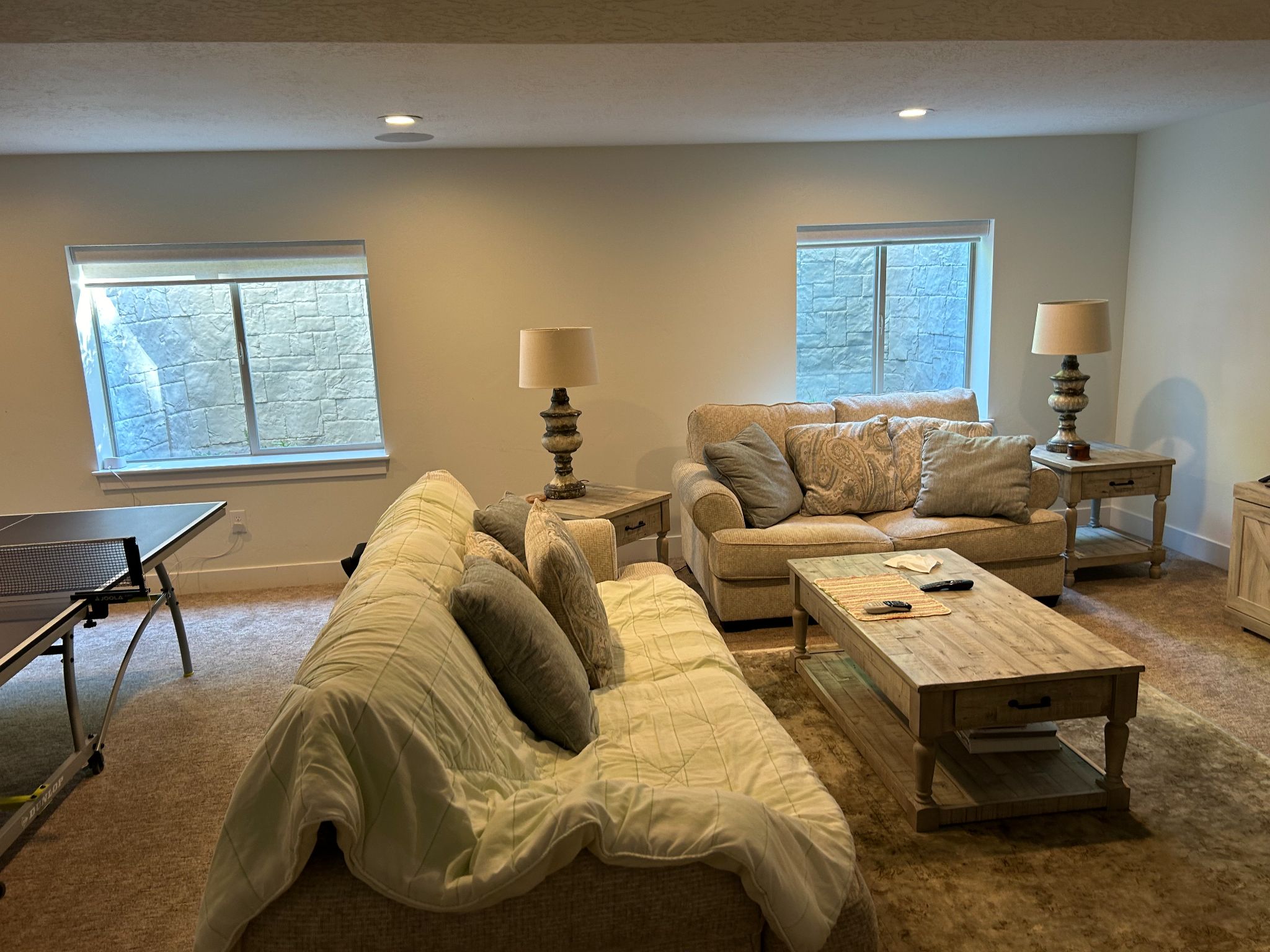
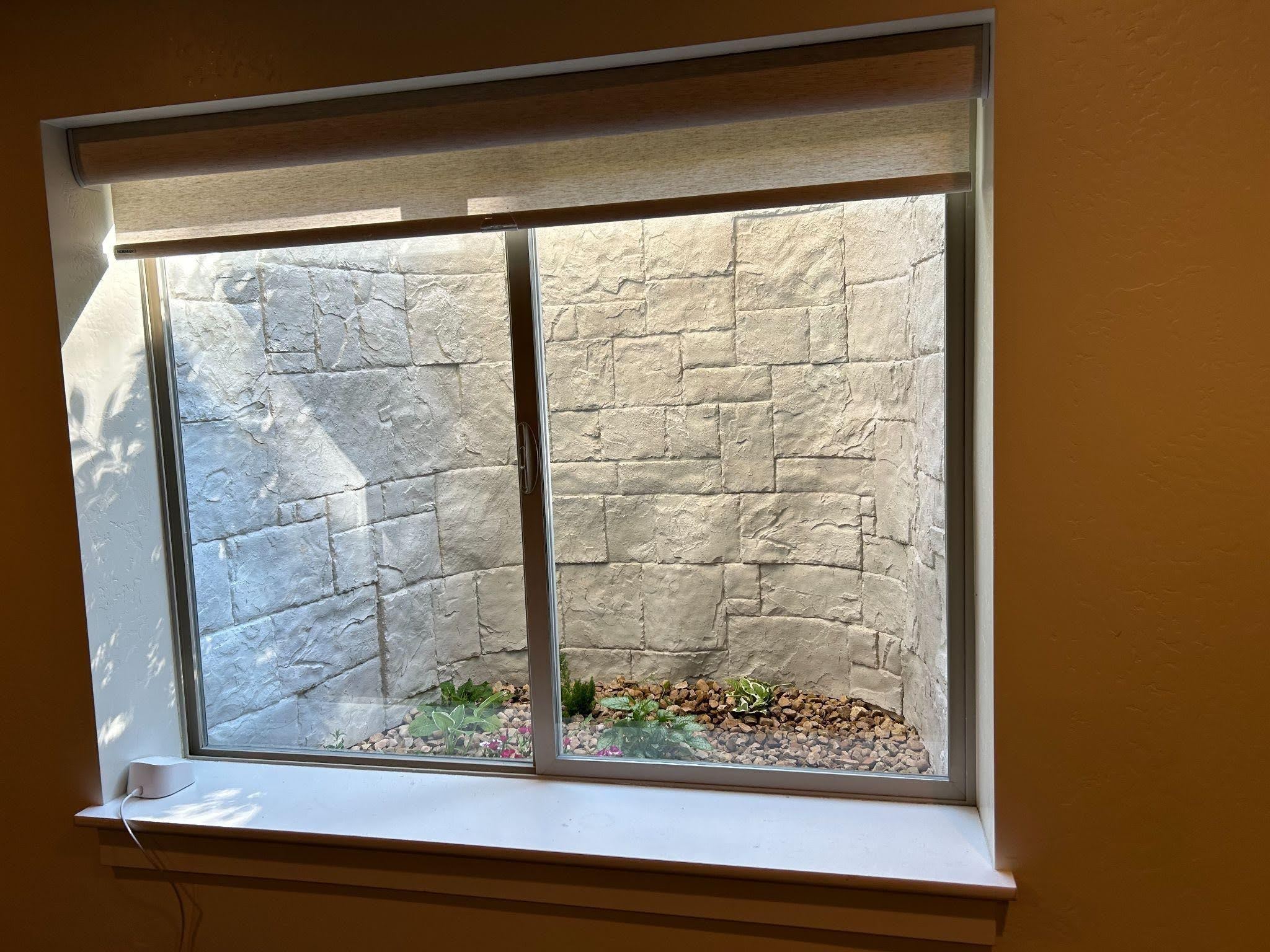
- Allow sunlight into the basement without open slats
- Keep the well cleaner with less frequent cleanup
- Create a cleaner, more finished appearance
- Add protection for homes with children and pets
- Keeps out vermin like spiders
Benefits of grates
- Allow more airflow and ventilation
- Offer a sturdy, durable design
- Support a more open feel
- It can be a practical choice for homeowners who prioritize access
- Often appeals to those who want a straightforward, functional look
Common mistakes to avoid when choosing a cover
Here are a few mistakes homeowners make when choosing between covers and grates:
- Choosing based on price alone: A lower upfront cost doesn’t always mean better long-term value.
- Ignoring local weather: Snow, rain, and blowing debris change what performs best around your home.
- Overlooking pests and vermin: An open well attracts leaves, moisture, insects, and small animals.
- Assuming every cover works the same way: Different materials and designs solve different problems.
- Buying the wrong fit: A poorly sized window well cover won’t look as clean or perform as well.
- Forgetting about curb appeal: The right cover improves how the whole area looks from the yard.
What research says to consider
- Safety matters first. When homeowners compare cover styles, the decision usually starts with preventing falls and keeping the area around the well safer to navigate.
- Drainage still matters. A cover should help protect the well without creating new water-management issues.
- Don’t overlook egress. Emergency escape and rescue openings must remain usable, so the cover choice shouldn’t interfere with required exit access.
- Pest prevention depends on reducing access. Guidance on pest control consistently points to limiting entry points, reducing moisture, and avoiding sheltered spaces where insects or small animals gather.
- Performance matters as much as appearance. The right cover should help the window well stay cleaner, safer, and easier to maintain over time.
What to look for when choosing a cover
- Choose clear covers for fuller protection. If you want stronger protection from debris, pests, rain, and snow, clear window well covers are often the better all-around option.
- Choose grates for more airflow. If ventilation and a more open structure matter most, window well grates may be the better fit.
- Think about your household. Homes with kids, pets, frequent storms, or yards that collect leaves and dirt often benefit more from fuller coverage.
- Prioritize custom fit. A cover designed for the exact shape and size of the well usually performs better and looks cleaner.
- Install it securely. The right fit only helps if the cover is properly supported and stays in place.
- Choose a cover based on how you use the space. The best window well cover is the one that matches your home’s safety, maintenance, and appearance goals.
- Look for long-term performance. A well-fit cover is more likely to hold up over time and keep the area cleaner and easier to manage.
FAQ
Are clear covers better than grates?
They’re often better for homeowners who want more protection from debris, pests, rain, and snow. Grates are still a good option when airflow and a more open design matter most.
Do grates keep animals out?
They help cover the opening, but they don’t create the same barrier as solid covers. Small animals, insects, and debris still get through the open slats more easily.
Will a clear cover block sunlight?
No. Clear covers let in natural light while protecting the well. That’s one reason they’re popular among homeowners who want brighter basement spaces.
Which option is easier to maintain?
Clear covers are usually easier to maintain because they keep more debris out of the well. Grates may need more frequent cleanup because leaves, dirt, and snow pass through.
What’s better for kids and pets?
For many homeowners, solid covers feel safer because they don’t have open spaces between slats. That extra coverage would be especially helpful for smaller feet and paws.
Choose the right fit with Windowell Expressions
Both options have real benefits, but they solve different problems. If you want more airflow and a more open design, grates may be the right fit. If you want stronger protection from debris, pests, and weather, clear covers usually make more sense. If you’re deciding between clear window well covers and window well grates, contact Windowell Expressions to discuss your options and choose a solution that fits your home, priorities, and yard.